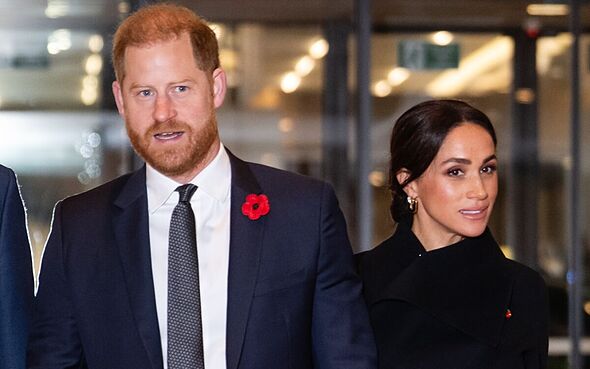
Prince Harry and Meghan Markle threatened to sue the BBC over their daughter’s name.
“THE PALACE SAID NO!” — ROYAL AUTHOR REVEALS WHAT REALLY UPSET QUEEN ELIZABETH II IN PRINCE HARRY AND MEGHAN’S LILIBET NAMING ROW
The controversy surrounding Princess Lilibet’s name has resurfaced, with royal biographer Robert Hardman revealing that the late Queen was reportedly more troubled by the Sussexes’ response to the BBC story than by the choice of name itself.
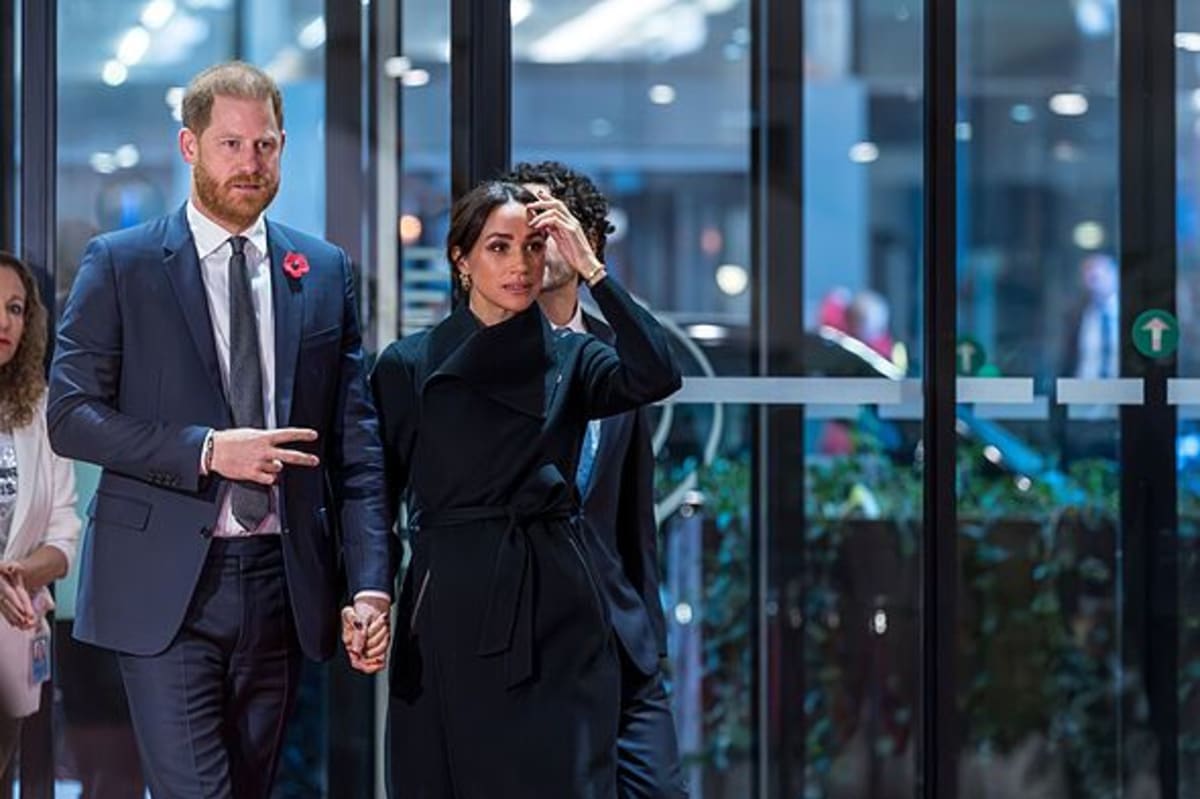
Prince Harry and Meghan Markle’s explosive legal threat against the BBC reportedly left Queen Elizabeth II deeply uncomfortable, according to royal author Robert Hardman, who has revisited the dispute during an appearance on the Daily Expresso podcast.
The row erupted in June 2021 after the BBC reported that a Palace source had insisted the Queen was not asked for permission before Harry and Meghan named their daughter Lilibet, using the monarch’s cherished childhood nickname.
Speaking about the controversy, Hardman suggested the Queen was not particularly bothered by the name itself, even though its use had surprised some members of the Royal Family.
Instead, he said, what upset her was the way the Sussexes reacted after the BBC published its report.
“What upset the Queen was that, having decided to call their daughter Lilibet – and they told her – the BBC then reported that the Queen had not approved this, and they [Harry and Meghan] shot back immediately with lawyers’ letters and basically threatened to sue the BBC,” he explained.
Hardman added that Harry and Meghan wanted Buckingham Palace to publicly support their account of what had happened. But the Palace refused.
“And surprise, surprise, the Palace said no,” he recalled.
The biographer suggested the disagreement came down to a crucial distinction: informing the Queen about their choice was not necessarily the same as asking for her approval.
“You might say, ‘Oh well, that’s nice’, but it doesn’t mean you’ve approved it. You haven’t been given any choice. You’ve been notified,” he said.
He added that the Queen and the Palace objected to being pressured into endorsing an account of events they did not share.
“As the Queen famously said in other circumstances, ‘recollections may vary’, and they certainly varied on that one.”
Harry and Meghan threatened legal action over BBC report
The dispute became public in June 2021, when Harry and Meghan instructed their lawyers to contact media outlets, describing the BBC report as “false and defamatory”.
A spokesman for the Sussexes maintained that Harry had spoken to his relatives before announcing the name and that the Queen was the first family member he told.
According to the statement, Harry shared the couple’s hope of naming their daughter in the Queen’s honour. The spokesman insisted that if the monarch had not been supportive, they would not have used the name.
However, a source told The Sun that Harry had not asked his grandmother for permission and that the decision was “simply presented” to her.
The BBC also reported that a Palace source was “absolutely adamant” the Queen had not been asked whether she approved.
The conflicting accounts turned the naming of a newborn baby into a very public royal dispute, with Buckingham Palace declining to back the Sussexes’ version of events.
The special meaning behind Princess Lilibet’s name

Lilibet was far more than an ordinary family nickname. It had been used for Elizabeth since childhood, after she struggled to pronounce her own name as a toddler.
Her grandfather, King George V, reportedly began calling her Lilibet after imitating her attempts to say Elizabeth. The nickname remained with her throughout her life, including as an affectionate name used by her late husband, Prince Philip.
At the time, Harry and Meghan’s decision to use it was widely interpreted as a possible gesture towards reconciliation with the Royal Family, following their explosive interview with Oprah Winfrey and the allegations of racism made during the broadcast.
But Hardman’s latest comments have brought the focus back to the disagreement that followed — and to the question of whether the Queen ever gave the couple the approval they believed they had received.