Agatha Christie Fans Have a New ‘Must-Watch’ Period Mystery — Bookish Returns With a Perfect 100% Rotten Tomatoes Score
Fans of Agatha Christie-style mysteries have another period crime drama to add to their watchlists, as Mark Gatiss’ acclaimed Bookish returns for its eagerly anticipated second season.
Set against the atmospheric streets of post-war London, the series stars Gatiss as Gabriel Book, an antiquarian bookseller whose encyclopedic knowledge and talent for observation regularly pull him away from the shelves and into baffling police investigations.
The drama has already earned considerable acclaim, holding a perfect 100% critics score on Rotten Tomatoes and winning over viewers with its distinctive mixture of cosy crime, period atmosphere and something considerably darker lurking underneath.
Now season two is expanding Gabriel’s world with spiritualists, suspicious deaths, sinister castles and an impressive collection of guest stars.
Meet Gabriel Book, the bookseller who solves murders
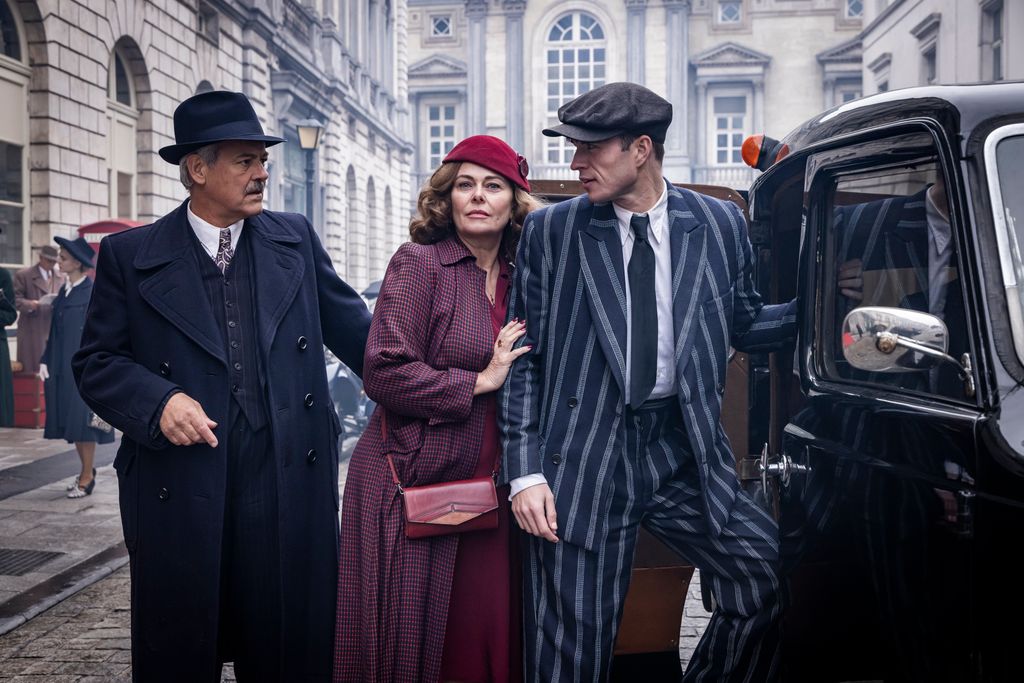
Bookish takes place in 1946 and follows Gabriel Book, a literary obsessive running an antiquarian bookshop in London.
But selling books is only part of his story.
Gabriel has an unusual ability to make connections others overlook, making him a valuable unofficial resource whenever the police encounter a particularly puzzling crime.
His private life adds another layer to the series.
At a time when homosexuality remains illegal in Britain, Gabriel is in a lavender marriage with his closest friend, Trottie, played by Polly Walker.
Their relationship gives the drama an emotional dimension beyond its individual murder cases, while the post-war setting allows the series to explore a society attempting to rebuild while many of its old restrictions remain firmly in place.
Season two takes Book into the mysterious world of spiritualism
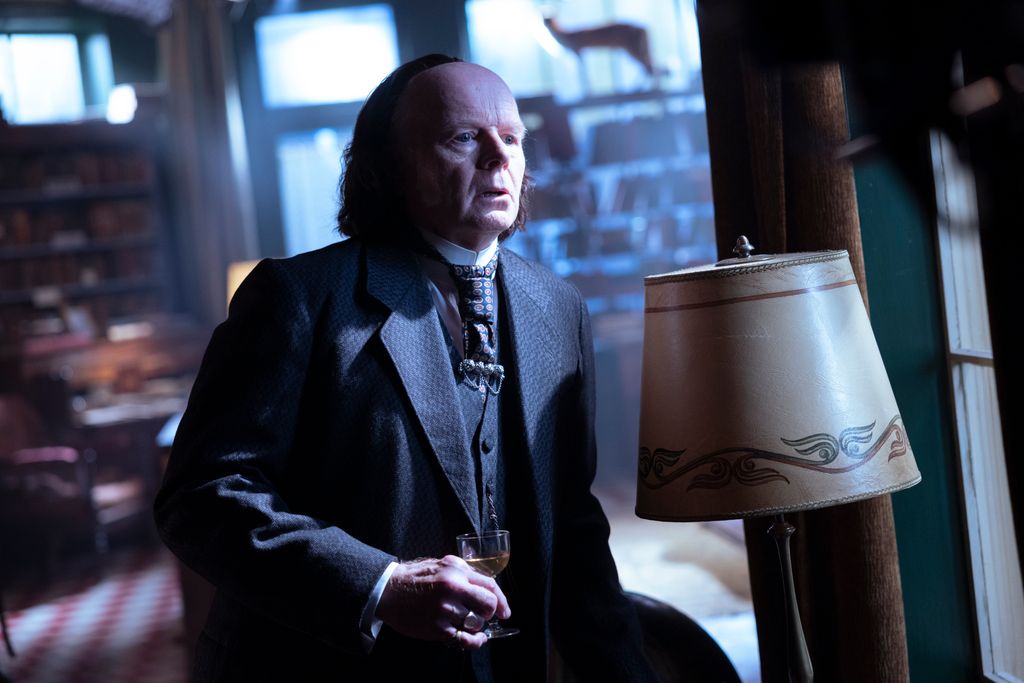
The new episodes waste little time giving Gabriel another unusual mystery.
One storyline introduces medium Harold Sneed, played by Jason Watkins, drawing Book into the world of spiritualism.
But that is only the beginning.
Another investigation begins near Savile Row, where Book is asked to examine a murder at a gentleman’s outfitters.
Elderly tailor Maxie Kleinmann, played by Allan Corduner, appears unusually willing to confess.
There is just one problem.
The evidence does not support his story.
What initially appears straightforward instead points toward something considerably “more complex and sinister.”
A Christmas trip becomes a deadly mystery’
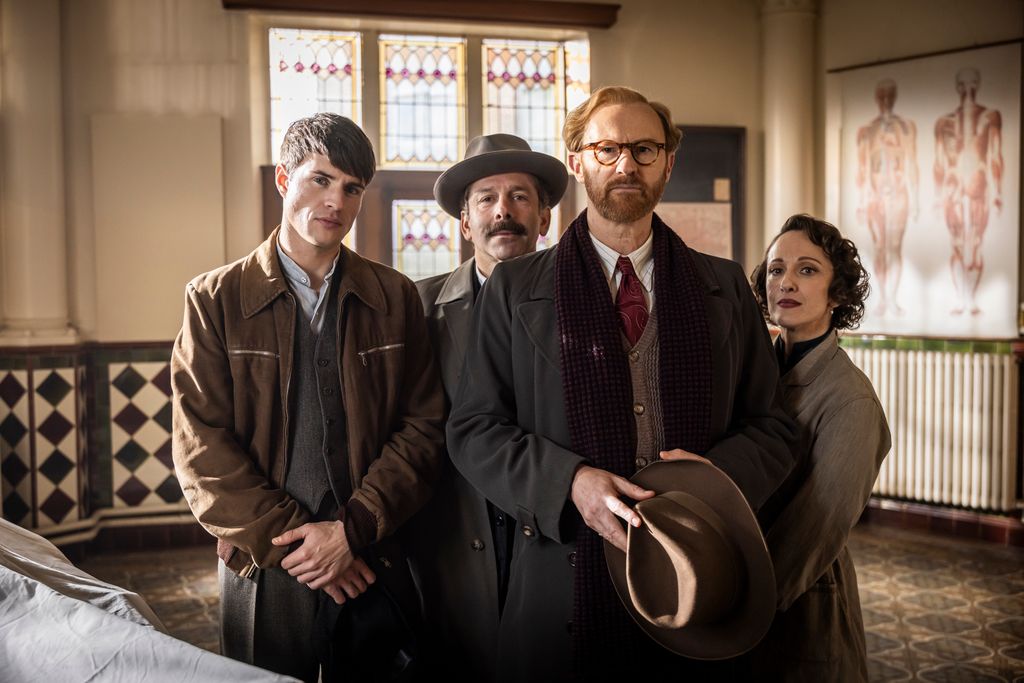
Season two also takes Gabriel beyond London.
Book and Jack are dispatched to the apparently picturesque German village of Würl by a mysterious figure known simply as “E,” played by Simon Callow.
Their mission involves stopping a thieving Duchess, portrayed by Miranda Richardson.
But the festive assignment soon becomes something much darker.
The pair find themselves inside an ominous castle filled with secrets — and enough plausible murder suspects to transform their Christmas trip into another dangerous investigation.
The case also forces Book and Jack to confront secrets of their own, both from the past and present.
Miranda Richardson leads an impressive group of guest stars
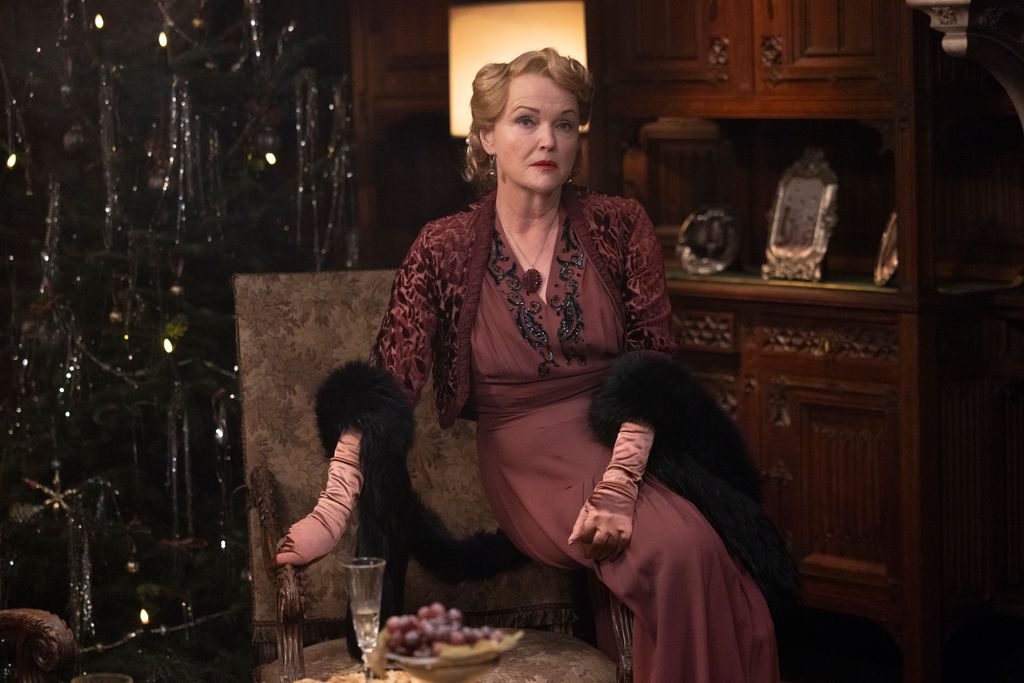
The second season has assembled another strong ensemble around Gatiss.
Alongside returning stars including Polly Walker and Connor Finch, the new episodes feature Rupert Graves, Jason Watkins, Miranda Richardson and Simon Callow.
The combination of familiar British performers and elaborate period mysteries strengthens the traditional murder-mystery atmosphere that has made the series particularly appealing to viewers who enjoy classic whodunnits.
Yet Bookish is not simply trying to imitate Agatha Christie.
Its creator has built the show around his own lifelong fascination with the genre.
Mark Gatiss has loved murder mysteries for years

Gatiss created Bookish and writes the series alongside his husband Ian Hallard, whom he has described as a “huge Agatha Christie fan.”
The project grew from Gatiss’ own longstanding obsession with detective stories.
“Before the current vogue, I would always try to find a forgotten murder mystery to watch,” he explained ahead of season two.
Alongside horror films, mysteries have always been among his favorite genres.
The idea for Bookish emerged when Gatiss began wondering what his own fictional detective might look like.
A bookshop provided the answer.
From there, Gabriel Book was born.
The Sherlock connection makes perfect sense
Gatiss is hardly a newcomer to complicated mysteries.
He was one of the creative forces behind the BBC’s hugely successful Sherlock, which reinvented Arthur Conan Doyle’s detective for a contemporary audience.
With Bookish, however, Gatiss moves in almost the opposite direction.
Instead of transporting a classic detective into the modern world, he creates an entirely new sleuth and places him firmly inside the visual language of a traditional post-war mystery.
Bookshops, tailored suits, shadowy streets, country houses and seemingly respectable suspects provide the surface.
Underneath, the series allows considerably darker themes to emerge.
That balance has become one of its most praised qualities.
Viewers call it ‘cosy crime with a twist’
Audience reaction has been particularly enthusiastic.
One viewer described Bookish as “very enjoyable,” praising its combination of fun mysteries with a “dark and sinister undercurrent.”
Their verdict summed it up simply: “Cosy crime with a twist.”
Another viewer praised both the performances and writing, calling the drama a definite “must-watch.”
That combination explains why the show can appeal simultaneously to viewers looking for comforting period mysteries and those who prefer their detective stories with sharper edges.
The familiar pleasures of the genre are all present.
There is an eccentric investigator.
There are suspicious characters.
There are clues waiting to be noticed.
And there is usually much more happening beneath the respectable surface than anyone initially realizes.
Perfect for viewers missing classic murder mysteries
The arrival of Bookish season two comes at a particularly good time for audiences who cannot get enough of British cosy crime.
Shows such as The Marlow Murder Club, Shakespeare & Hathaway and Death Valley have demonstrated the continuing appetite for mysteries that combine distinctive characters with intriguing cases without becoming relentlessly bleak.
Bookish occupies its own corner of that increasingly popular genre.
Its 1946 setting gives it the period appeal associated with traditional Christie adaptations, while Gabriel’s personal life and Gatiss’ taste for darker material prevent it from feeling like a straightforward imitation of mysteries audiences have already seen.
Bookish may be the closest thing to a new classic detective
Gabriel Book does not have the decades of literary history surrounding Poirot or Miss Marple.
But that may be part of the fun.
Rather than knowing exactly what kind of detective he will become, audiences are watching a new mystery character develop case by case.
Season two gives him an even wider playground.
A suspicious medium.
A tailor apparently desperate to confess to murder.
A mysterious assignment in Germany.
A thieving Duchess.
And a castle filled with people who could potentially be killers.
For viewers who enjoy elegant period mysteries where almost everyone has something to hide, Bookish offers plenty to investigate.
And with a perfect critics score and viewers already calling it a “must-watch,” Gabriel Book’s second chapter may be even harder for murder-mystery fans to resist.
Bookish is available to stream on U.