Netflix’s ‘Terrifying’ War Drama The Photographer of Mauthausen Leaves Viewers Haunted — With Some Comparing It to Schindler’s List
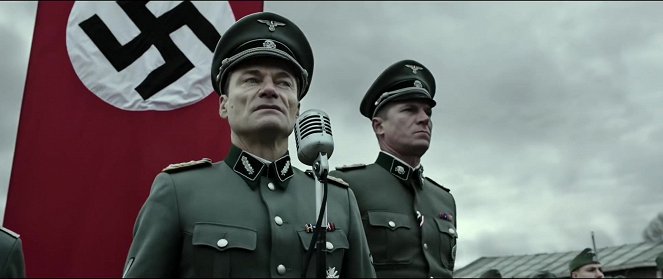
A harrowing historical drama based on the true story of a prisoner who risked everything to preserve evidence of Nazi atrocities is drawing renewed attention on Netflix.
The Photographer of Mauthausen (El fotógrafo de Mauthausen) takes viewers inside the Mauthausen-Gusen concentration camp through the experiences of Francesc Boix, a Catalan Republican and photographer imprisoned there during World War II.
Directed by Mar Targarona and originally released in 2018, the Spanish-language film has been described by critics and viewers as “heart-wrenching,” “terrifying” and deeply difficult to forget.
Rather than simply recounting the horrors surrounding Boix, the film places photography at the center of the story — showing how images could become evidence and preserving the truth could itself become an act of resistance.
A photographer determined to preserve the truth
Boix finds himself imprisoned at Mauthausen-Gusen in Austria, surrounded by atrocities that those responsible would have every reason to conceal.
But his skills as a photographer give him a unique opportunity.
He attempts to preserve photographic evidence documenting what happened inside the camp, knowing that the images could one day expose crimes that might otherwise be denied or forgotten.
That premise gives The Photographer of Mauthausen an additional layer beyond the conventional wartime drama.
The photographs are not simply a storytelling device. They represent proof.
And the effort to preserve them becomes inseparable from the wider struggle to ensure the victims and crimes of Mauthausen are remembered.
Critics call it ‘vivid’ and ‘frequently terrifying’
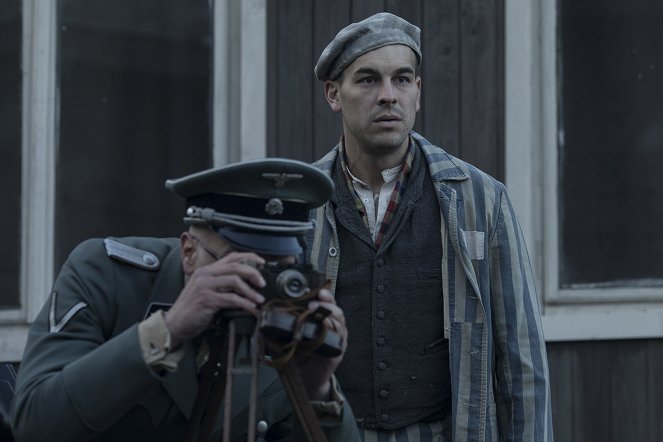
The film has attracted particularly strong reactions for the uncompromising way it depicts life inside the camp.
Its bleak atmosphere is accompanied by naturalistic performances that give many scenes an uncomfortable immediacy.
Critic Jason Bailey described the movie on Rotten Tomatoes as “vivid, involving and frequently terrifying.”
Tess Cagle focused on the role photography plays throughout the story, describing the film as a “heart-wrenching love letter to photography” and its ability to preserve truth in a confusing world.
That combination of historical horror and photography is what distinguishes the film from many other World War II dramas.
Rather than treating images merely as records of the past, The Photographer of Mauthausen explores what it can mean to create and protect those records while history is still unfolding.
Viewers say the film is important precisely because it is difficult to watch
Audience reactions have been similarly emotional.
One viewer emphasized the importance of remembering the experiences of Spanish antifascists imprisoned at Mauthausen.
They described the film as “very moving” and argued that stories based on firsthand experiences of World War II atrocities remain important because they help ensure what happened is never forgotten.
Another viewer went even further, drawing comparisons with one of cinema’s most acclaimed Holocaust dramas, Schindler’s List.
Writing on IMDb, the viewer described The Photographer of Mauthausen as a “stark, brutal re-enactment of actual events.”
They also warned that its commitment to portraying those events could make it especially challenging viewing.
According to the reviewer, this is not a film designed as casual entertainment.
Its value instead comes from the history it confronts.
Recreations of the real photographs make the story even more powerful
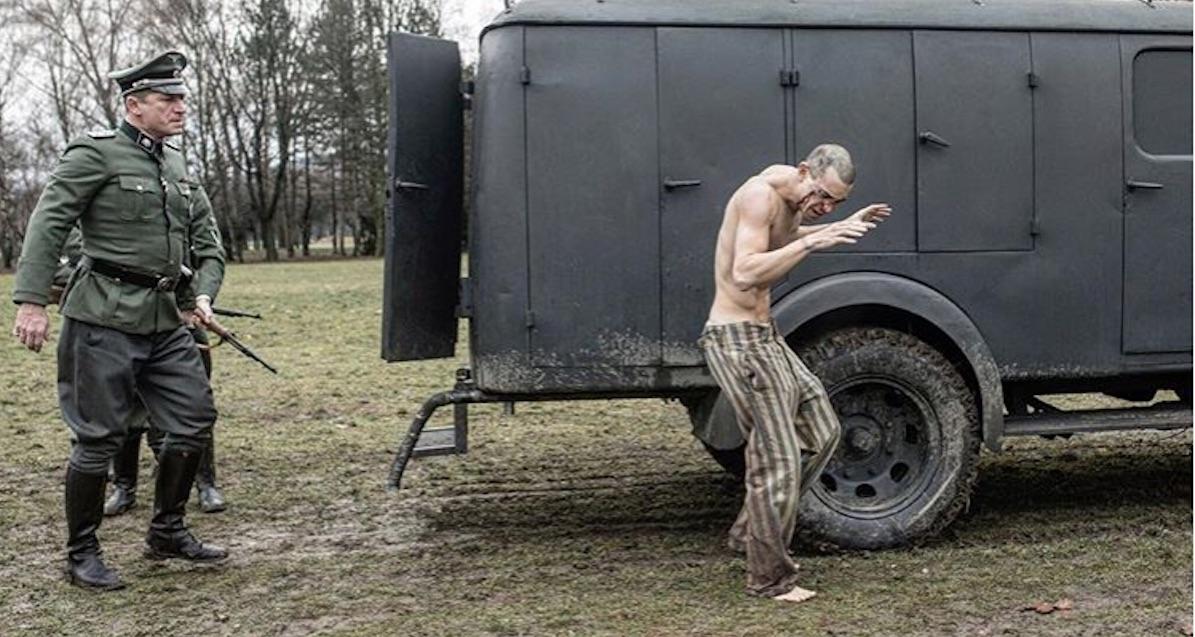
One element that particularly impressed viewers was the film’s recreation of photographs associated with the real events.
The IMDb reviewer praised the level of detail used to reproduce scenes captured by the actual photographer, arguing that the movie effectively brings images originally preserved in black and white into a dramatic, living context.
For an audience, that creates an unsettling relationship between historical record and cinematic reconstruction.
The images are no longer simply artifacts viewed from the safety of the present.
The film attempts to place viewers inside the circumstances in which they were created.
That approach contributes heavily to the oppressive atmosphere surrounding the story.
The same reviewer said the combination of setting and acting was believable enough to make viewers feel as though they had been “sucked into a nightmare” almost immediately.
The horror comes from knowing the story is rooted in reality
There is an obvious reason The Photographer of Mauthausen can be so difficult to shake after the credits.
Its central story is not simply the invention of a screenwriter.
Francesc Boix was a real photographer and prisoner, and the film draws upon the experiences of Spanish Republicans imprisoned at Mauthausen during the Nazi era.
That historical foundation gives even its most dramatically constructed moments additional weight.
The movie does not need a fictional monster lurking somewhere in the darkness.
The terror comes from the knowledge that the system surrounding its characters existed.
And within that environment, Boix’s determination to preserve photographic evidence becomes the source of the film’s tension as well as its purpose.
More than another concentration camp drama
Films dealing with concentration camps inevitably face the challenge of depicting unimaginable suffering without allowing the horror to become spectacle.
The Photographer of Mauthausen approaches that history through one particular idea: the importance of evidence.
Its most compelling question is not simply whether Boix can survive.
It is whether the truth he witnesses can survive with him.
That is why photography becomes so important to the story.
A photograph can document something that perpetrators might prefer to erase. It can outlive the person who captured it. And decades later, it can force another generation to confront what happened.
That idea runs through the film and helps explain why viewers continue to describe the experience as both devastating and necessary.
A difficult film that viewers say is worth confronting
The Photographer of Mauthausen is unlikely to be the kind of Netflix movie viewers casually put on for a relaxing evening.
Its subject matter is relentlessly dark, its atmosphere oppressive and its connection to real events makes the experience considerably more disturbing.
But those qualities are also at the heart of the praise surrounding it.
For viewers drawn to historical dramas such as Schindler’s List, particularly stories examining the preservation of evidence and memory during World War II, this Spanish drama offers a deeply unsettling perspective.
Years after its original release, the story of Francesc Boix continues to resonate because the photographs at its center represent something larger than one man’s survival.
They represent an attempt to make forgetting impossible.
The Photographer of Mauthausen is available to stream on Netflix.