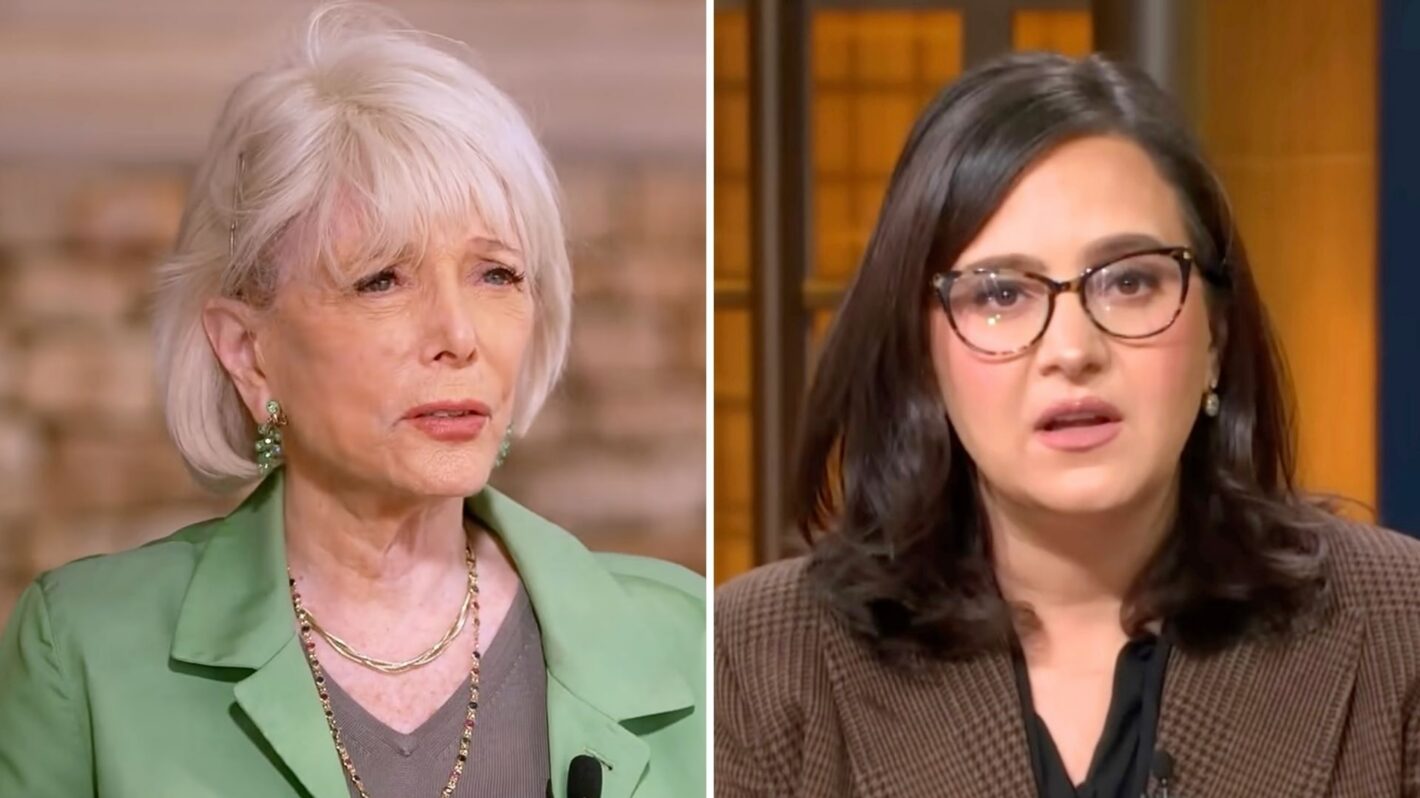
60 Minutes Veteran Lesley Stahl Reportedly Considered Quitting After Heated Clash With CBS Boss Bari Weiss Over Controversial Israel Report
Veteran 60 Minutes correspondent Lesley Stahl reportedly became so frustrated with the editorial handling of a report about extremist Israeli settlers in the West Bank that she privately considered leaving the CBS newsmagazine after more than three decades.
The alleged dispute involved CBS News editor-in-chief Bari Weiss and her deputy, Charles Forelle, whose extensive involvement in reviewing the segment reportedly sparked tensions behind the scenes.
According to journalist Oliver Darcy’s Status newsletter, what initially appeared to be a routine editorial process developed into a contentious disagreement over the direction of Stahl’s reporting.
However, CBS has strongly rejected that characterization, insisting that the segment underwent a standard review process and actually received fewer edits than most 60 Minutes reports.
Lesley Stahl’s Reportedly Routine Assignment Takes an Unexpected Turn
The controversy centered on a 60 Minutes investigation examining extremist Israeli settlers and their role in tensions with Palestinians in the occupied West Bank.
Stahl, who has worked for the program since 1991, was preparing the report for a scheduled Sunday broadcast.
According to Darcy, the initial editorial response was relatively straightforward.
The veteran correspondent reportedly received only minor feedback, and the segment appeared to be progressing toward its planned broadcast.
That situation allegedly changed when Weiss and Forelle became more directly involved.
Darcy reported that both executives participated in screenings of the segment and offered extensive feedback.
One person familiar with the matter described Weiss as becoming “very, very hands-on.”
The reported intervention introduced new complications into the editing process and raised disagreements about how the story should be presented.
Bari Weiss Reportedly Raises Broader Concerns About the Segment

The precise nature of Weiss’ objections remains unclear.
Darcy reported that her concerns were not limited to one disputed fact or a single portion of the investigation.
Instead, the feedback allegedly addressed broader aspects of the report.
That distinction became important because it suggested the disagreement extended beyond ordinary factual corrections.
The editing process reportedly grew increasingly contentious as Stahl and the editorial leadership worked through the requested changes.
Forelle allegedly proposed postponing the story to allow additional time for revisions.
According to the report, he suggested setting the segment aside temporarily so the team could address the feedback without the pressure of the approaching broadcast.
Stahl reportedly opposed that proposal.
Rather than delaying the investigation, she wanted the team to resolve the outstanding editorial concerns and continue preparing the report.
The disagreement allegedly intensified frustrations over how the segment was being handled.
Stahl Reportedly Floats the Possibility of Leaving 60 Minutes

According to Darcy, the editorial dispute became serious enough that Stahl privately raised the possibility of quitting the program.
The claim is particularly significant given her long history with 60 Minutes.
Stahl joined the CBS newsmagazine in 1991 and has spent decades interviewing prominent public figures and reporting on major international stories.
Her reported frustration came during an already turbulent period for the program.
She had remained with 60 Minutes alongside longtime correspondents Bill Whitaker and Jon Wertheim despite major changes to its leadership and reporting team.
The possibility of another veteran departure would therefore represent a significant development for a program already experiencing substantial internal disruption.
However, the report did not establish that Stahl formally resigned, threatened to resign publicly or took steps to leave her position.
The allegation concerned private discussions about whether she should continue working on the show.
CBS News Has Faced Months of Behind-the-Scenes Turmoil
The reported dispute followed a series of major personnel changes at CBS News.
Weiss had previously announced that technology journalist and filmmaker Nick Bilton would replace 60 Minutes executive producer Tanya Simon.
Other changes included the departures of producer Draggan Mihailovich and correspondents Cecilia Vega and Sharyn Alfonsi.
Those decisions contributed to broader tensions surrounding the direction of the news division.
Veteran correspondent Scott Pelley also publicly challenged the leadership during a heated staff meeting.
According to previous reporting, Pelley accused Weiss of “murdering” 60 Minutes during the June 1 meeting.
The following day, Bilton sent Pelley a termination letter stating that he had been dismissed for cause, effective immediately.
The sequence of events intensified scrutiny of the show’s management and raised questions about its future editorial direction.
Against that backdrop, the reported disagreement involving Stahl attracted particular attention because she was among the established correspondents who had remained with the program.
CBS Strongly Denies the Reported Account
CBS has firmly disputed Darcy’s description of the editorial process.
In a statement provided to Mediaite, a network spokesperson rejected the suggestion that Stahl’s segment had been subjected to unusually aggressive interference.
“This is a ludicrous, twisted narrative,” the spokesperson said.
The statement emphasized that editorial reviews are a normal and essential part of producing 60 Minutes investigations.
“All 60 Minutes pieces go through a famously rigorous editorial process – which includes edits from editors,” CBS explained.
The spokesperson also challenged the claim that the West Bank report received exceptional scrutiny.
“This piece received far fewer edits than most,” the network stated.
The response directly contradicted the portrayal of an unusually contentious editing process.
CBS did not, in the quoted statement, provide a detailed account of the private discussions allegedly involving Stahl or address each specific claim about her reported consideration of resignation.
A Dispute That Raises Questions About Editorial Independence
The disagreement, as described by Darcy, highlights the tension that can arise between experienced journalists and senior editorial executives when handling politically sensitive investigations.
Reports about Israeli settlements and the Israeli-Palestinian conflict involve complex factual, legal and political issues that frequently receive close scrutiny.
News organizations are responsible for reviewing such coverage carefully to ensure accuracy and fairness.
At the same time, disagreements over editorial judgment can become contentious when journalists and management hold different views about how a story should be framed.
In this case, the central dispute concerns whether the review represented ordinary editorial oversight or an unusually intrusive process.
Darcy’s reporting describes significant behind-the-scenes tensions, while CBS insists the investigation received less editing than most segments.
Neither account, on its own, establishes the precise motivations behind the editorial decisions.
What the Report Means for the Future of 60 Minutes

For 60 Minutes, the allegations arrive at a sensitive moment.
The program has long been associated with rigorous investigations, experienced correspondents and a reputation for independent reporting.
Stahl’s decades of service have made her one of its most recognizable figures.
Any suggestion that she considered leaving over an editorial disagreement is therefore likely to attract attention, particularly following other high-profile departures.
Yet the available accounts leave important questions unresolved.
Stahl has not been quoted publicly confirming that she considered resigning, and CBS has rejected the broader narrative surrounding the editing process.
The report also does not establish that the segment was canceled or permanently withheld.
For now, Lesley Stahl remains associated with 60 Minutes, while the competing accounts of what happened behind the scenes reveal the continuing tensions surrounding CBS News’ leadership. Whether the dispute was an unusually serious editorial clash or a routine review portrayed as something more remains contested.