A fresh storm of public outrage and intense moral scrutiny has erupted around the Duchess of Sussex following her high-profile charity visits in Britain, with critics fiercely highlighting a glaring contradiction in her public persona. While Meghan Markle traveled across the UK alongside Prince Harry to support charitable organizations, meet volunteers, and champion causes for those facing difficult circumstances, commentators and royal watchers immediately pointed to a deeply painful domestic reality left unaddressed. The central friction point of the mounting public debate lies in her ongoing, total estrangement from her own father, Thomas Markle, who has endured serious health struggles in recent years without a single public reconciliation. Observers argue that while championing empathy on a global stage is commendable, the persistent refusal to extend that same grace to her own flesh and blood lays bare an uncomfortable hypocrisy that charity begins at home.
The emotional weight of this ongoing family schism has long captivated public attention, transforming personal private pain into a global cultural debate about family duty versus public image. Thomas Markle, who famously suffered major health crises including severe heart issues and a stroke just as his daughter’s royal wedding approached, remains isolated across the Atlantic while Meghan continues her high-profile humanitarian tours. Critics have frequently argued that no amount of philanthropic work or polished speeches can completely mask the optics of a daughter ignoring an ailing father during his twilight years. For a figure who has built much of her post-royal brand around themes of vulnerability, mental health, and healing, the unresolved rift with her father serves as a persistent Achilles’ heel that detractors weaponize at every turn.
The debate surrounding the Nottingham charitable visits also highlights the sharp division in how the public interprets the Sussexes’ motives when they re-engage with British causes. Supporters of the Duchess argue that family relationships are intensely complex, deeply private matters that should never be judged solely through the distorted lens of tabloid media headlines or external assumptions. They emphasize that the public only sees a tiny fraction of what happens behind closed doors, and that projecting moral verdicts onto a deeply painful family feud oversimplifies human trauma. From this perspective, Meghan’s dedication to grassroots charities, mental health advocacy, and marginalized communities deserves recognition on its own merits, completely divorced from the shadow of her complicated paternal history.

Yet, critics counter that when public figures voluntarily monetize their personal lives, publish tell-all memoirs, and center their entire brand around emotional transparency, the demand for authentic consistency becomes inescapable. The argument frequently raised across digital commentary platforms is that compassion cannot be selectively applied only to strangers or convenient public campaigns while ignoring the most immediate familial obligations. Many observers have expressed a genuine longing to see a quiet, unscripted moment of reconciliation—not for the cameras or press releases, but as a sincere gesture of human decency. The stark contrast between embracing vulnerable strangers in British community centers and maintaining an impenetrable wall of silence toward an ailing father remains a difficult narrative chasm for her supporters to bridge.
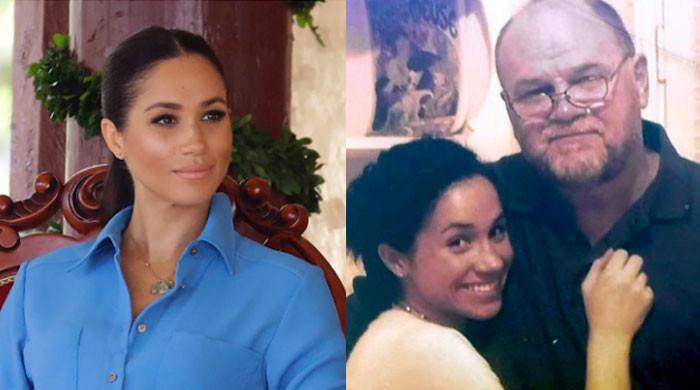
This ongoing domestic controversy feeds directly into the broader cultural skepticism that has dogged the Duke and Duchess of Sussex ever since their dramatic departure from senior royal duties in 2020. Every public appearance, whether championing welfare initiatives or launching commercial ventures, is instantly filtered through the lens of authenticity and whether their actions match their soaring rhetoric. The expectation placed upon modern public figures is relentlessly high, and any perceived misalignment between private behavior and public messaging is instantly magnified by an unforgiving media ecosystem. For Meghan, navigating this minefield means that even acts of genuine charity are frequently overshadowed by the unresolved ghosts of her past, ensuring that her family history remains a permanent fixture of public debate.
Moreover, the psychological impact of public scrutiny on family dynamics cannot be overstated, as every gesture is dissected for hidden meanings or PR calculations. Whether an outreach to Thomas Markle would even be welcomed or whether past breaches of trust have made reconciliation impossible are questions known only to those directly involved. However, the absence of communication has allowed external commentators to fill the vacuum with their own moral interpretations, turning a private family tragedy into a permanent public morality play. The public appetite for resolution remains insatiable, driven by the belief that true humanitarianism must ultimately be proven within the walls of one’s own home before it can resonate globally.
Ultimately, the fierce debate sparked by Meghan Markle’s charitable engagements transcends simple celebrity gossip, touching upon universal questions of forgiveness, family duty, and moral integrity. The striking paradox of a global philanthropist championing the vulnerable while remaining estranged from her own ailing father captures the core tension of the modern celebrity era. As public opinion remains deeply polarized between those who view her as a survivor of toxic family dynamics and those who condemn her lack of filial loyalty, the underlying question remains entirely unresolved. Long after the current news cycle concludes, the timeless adage that charity begins at home will continue to haunt the narrative, serving as the ultimate standard by which her public legacy will be judged.