John Lennon And George Harrison Teamed Up In 1971 To Record A Classic Album — And The Beatles Connection Still Fascinates Fans

Just months after The Beatles fell apart, two of its biggest stars were back together in the studio — and what happened next became a remarkable footnote in rock history.
The Beatles had officially broken up, but the musical relationships between its four members did not simply disappear overnight.
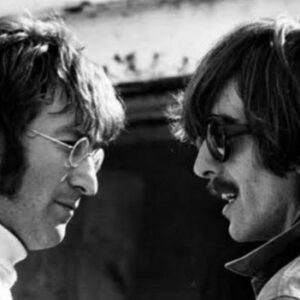
In 1971, John Lennon and George Harrison found themselves working together again during one of the most fascinating periods of their post-Beatles careers.
The project was not a new Beatles album.

Instead, it was Lennon’s Imagine album, one of the defining records of his solo career.
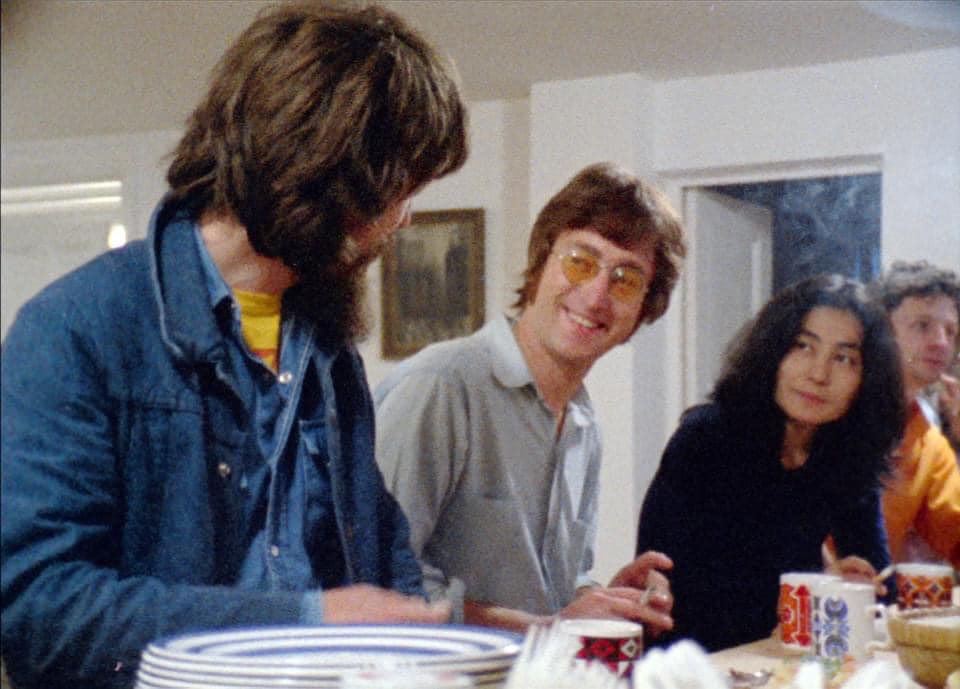
Harrison played guitar on several tracks, joining Lennon during the sessions at Ascot Sound Studios and other recording locations.
For Beatles fans, the collaboration offered something tantalising: a glimpse of two former bandmates making music together after the group that had changed the world had come to an end.
The circumstances were particularly striking because the Beatles’ split had been accompanied by years of tension.
By 1971, however, Lennon and Harrison were pursuing their own musical identities.
Lennon was developing his increasingly personal solo work, while Harrison had already established himself as a major solo artist following the release of All Things Must Pass.
Yet when the opportunity arose to work together, the former bandmates were able to put their musical instincts back into action.
Harrison’s contribution to Imagine helped give the album an additional connection to Beatles history.
He played slide guitar on Jealous Guy and contributed to other recordings, while the sessions also featured a remarkable collection of musicians.
Among them were bassist Klaus Voormann, drummer Alan White and Nicky Hopkins.
The result was an album that would become one of Lennon’s most celebrated solo releases.
Imagine was released in September 1971 and went on to become a landmark record, with its title track eventually becoming one of Lennon’s most recognisable songs.
But for Beatles devotees, the album carries another layer of fascination.
Harrison’s appearance serves as a reminder that the end of The Beatles did not mean the complete end of collaboration between its members.
Indeed, the surviving Beatles continued to cross paths musically throughout the 1970s.
Paul McCartney and Ringo Starr also pursued successful solo careers, while Harrison continued to work with a remarkable network of musicians.
The relationship between Lennon and Harrison, meanwhile, remained complicated but musically significant.
They had grown from relatively unknown young musicians into international superstars together.
They had experienced Beatlemania, relentless touring, extraordinary commercial success and the pressures that eventually contributed to the group’s collapse.
By 1971, they were no longer Beatles in the official sense.
But the chemistry forged during those years could still resurface in the recording studio.
That is what makes the Imagine sessions so fascinating.
There was no grand Beatles reunion.
No attempt to recreate the past.
Just two musicians who had shared one of the most extraordinary chapters in popular music history finding themselves making music together again.
And perhaps that is the most intriguing part of the story.
The Beatles were over.
But their musical story was far from finished.
More than half a century later, Harrison’s contribution to Imagine remains a fascinating reminder of how quickly the former bandmates could move from bitter history back into the creative world that had brought them together in the first place.
The band may have ended — but in 1971, Lennon and Harrison proved that the music between them had not disappeared.