Ella Langley Turns Dolly Parton’s ‘Jolene’ Into a Roaring Rock Tribute — After Thanking the Legend Who ‘Paved the Way’ for Women Like Her
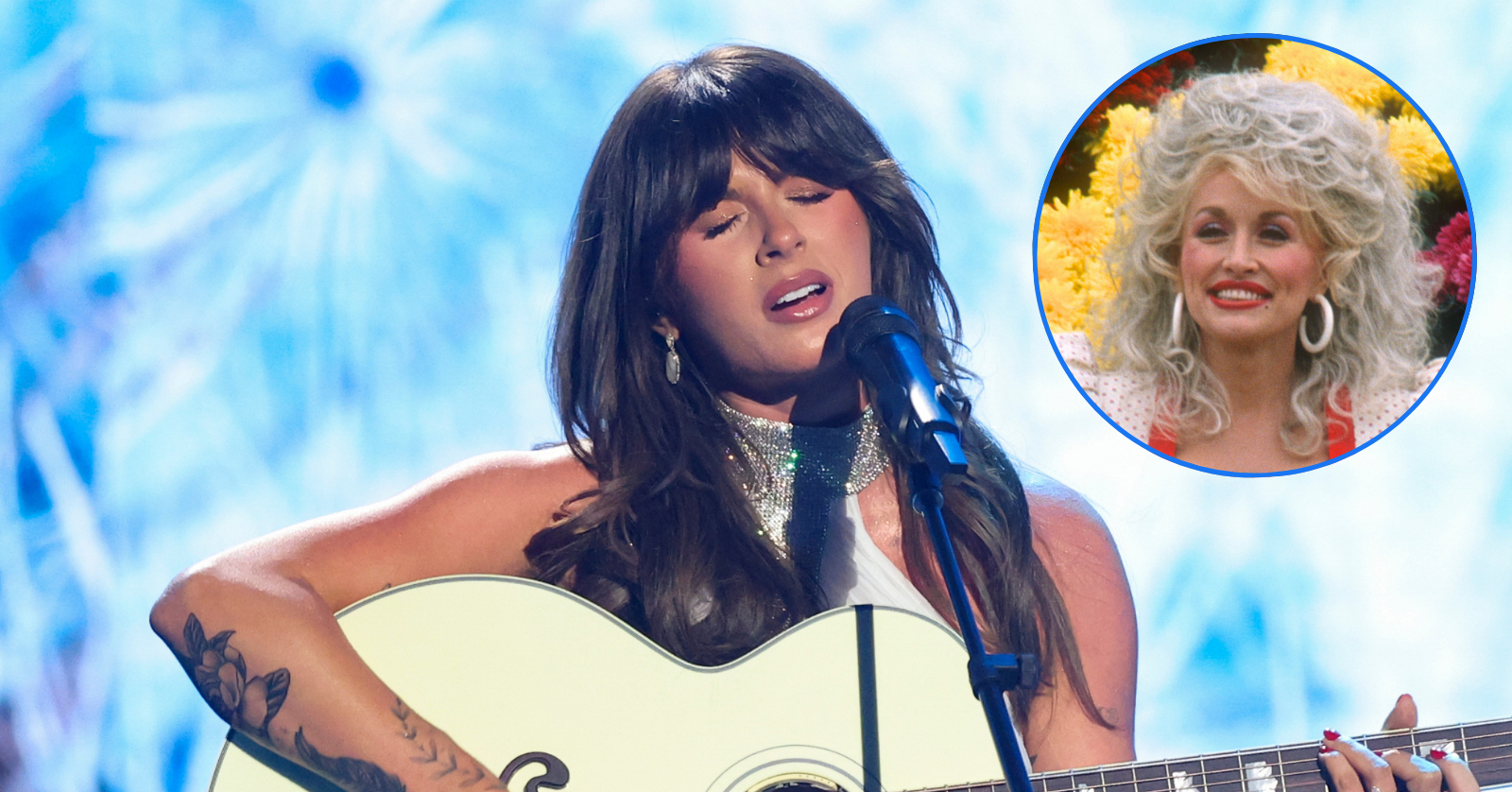
Ella Langley has enjoyed a career-defining year of her own, but when she returned home to Alabama, the rising country star made sure the spotlight belonged to the woman who helped make careers like hers possible.
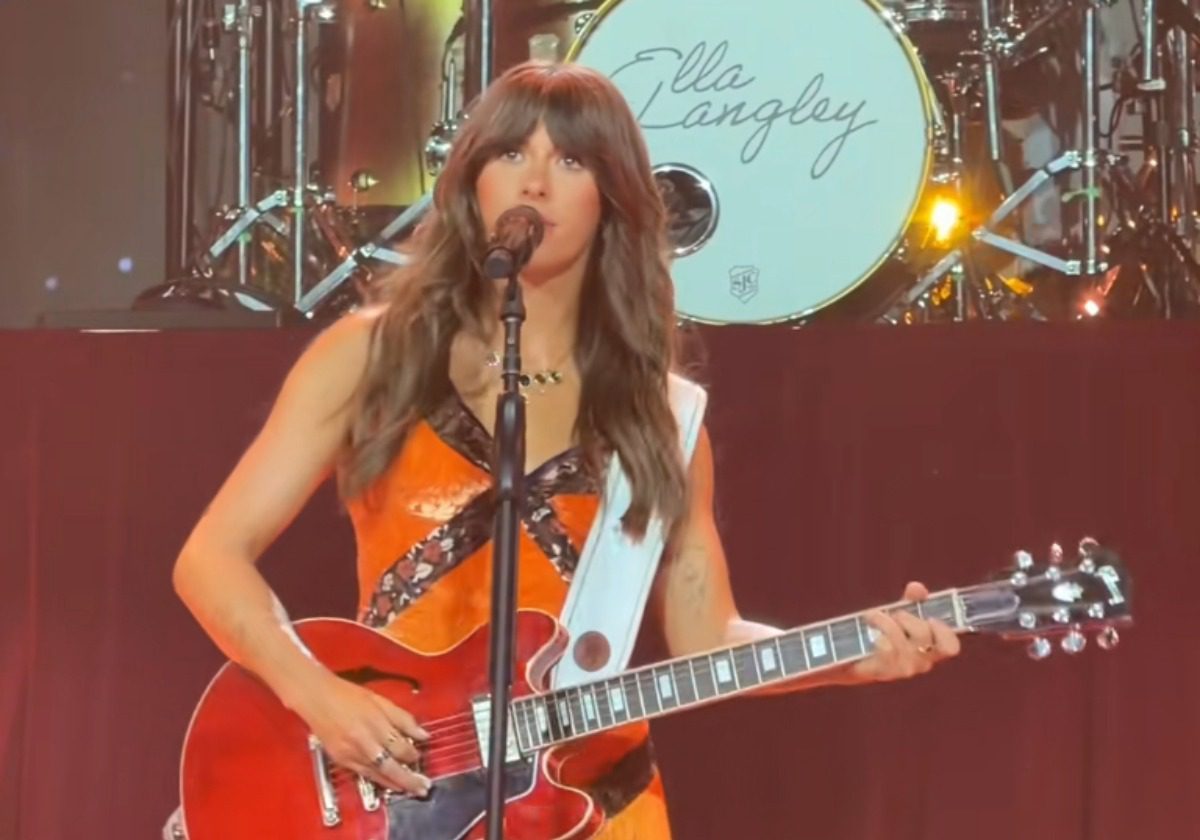
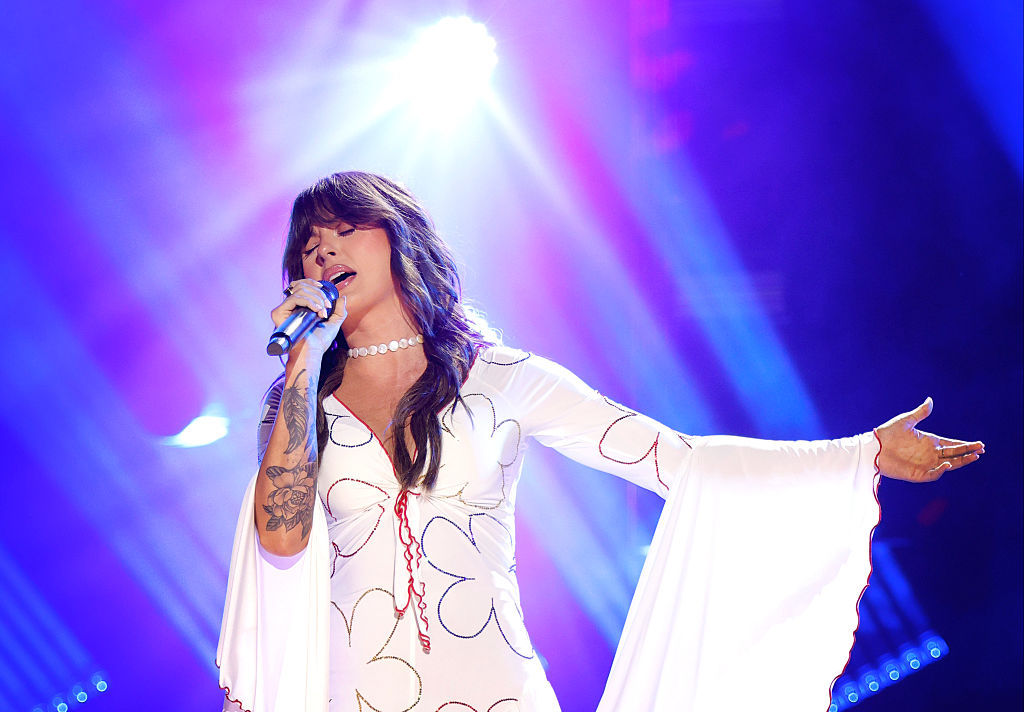
Performing before a packed crowd at Neville Arena, Langley paused her show to remember Dolly Parton following the country icon’s death at age 80.
“Tonight’s show didn’t feel right without doing something like this,” Langley told the audience.
Then came the instantly recognizable opening of “Jolene.”
But Langley wasn’t interested in simply recreating Dolly’s classic.
Instead, she and her band turned up the guitars and transformed one of country music’s most famous songs into a heavier, rock-driven performance — honoring Dolly while putting their own unmistakable stamp on the music she left behind.
Ella Langley gives ‘Jolene’ a completely different sound
“Jolene” has been performed by countless artists since Dolly first made it famous, creating a difficult challenge for anyone attempting to cover it.
Langley approached the song differently.
Rather than trying to imitate Dolly’s original vocal or arrangement, she leaned into the power of her own live show.
The guitars became heavier and more aggressive, giving the familiar song a distinctly rock-infused edge.
It was still unmistakably “Jolene,” but filtered through Langley and her band’s sound.
That approach made the performance feel less like an attempt to reproduce a classic and more like one generation of country music acknowledging another.
And for Langley, the tribute carried meaning beyond the song itself.
‘You paved the way for so many to be brave’
Following Dolly’s death earlier in the week, Langley had already shared a personal message explaining what the country legend represented to her.
Her tribute focused not only on Dolly the performer, but on the example she set for women trying to establish themselves in the music business.
“Dolly, thank you for standing up for yourself as an artist, a songwriter, a musician, a producer, an author, a creative, and most importantly a woman in this industry,” Langley wrote on Instagram Stories.
“You paved the way for so many to be brave.”
Those words carried particular significance coming from an artist now building her own place within country music.
Dolly’s career was never defined by singing alone. She maintained a strong creative identity across songwriting, recording, production, business and other ventures, something Langley specifically recognized in her farewell.
Langley celebrates Dolly’s refusal to be anyone but herself

Langley continued her message by highlighting another quality that became inseparable from Dolly’s public identity: authenticity.
“Thank you for being unafraid to show your most authentic self,” she wrote.
“The world needed Dolly and will never see another like it.”
It was an acknowledgment of a career built not by conforming to what others expected, but by leaning into the personality, songwriting and creative instincts that made Dolly distinctive.
For generations of female country performers who followed, that independence became part of her influence.
Langley’s message made clear that she considers herself among the artists who benefited from the path Dolly helped create.
Dolly’s death sent another generation of country artists into mourning
Dolly died at age 80 following what her representatives described as a brief battle with cancer. The specific type was not disclosed.
She died at Vanderbilt-Ingram Cancer Center in Nashville surrounded by loved ones.
News of her passing prompted an outpouring of tributes from across country music and beyond, with artists remembering everything from her songwriting and unmistakable voice to her generosity and influence away from the stage.
Langley joined those tributes with a message rooted in gratitude.
“The gates of heaven just welcomed home a beautiful soul,” she wrote.
For Langley, however, remembering Dolly through words alone apparently wasn’t enough.
When she stepped onto the stage in Alabama, she wanted her audience to hear that gratitude too.
A hometown show becomes something bigger

The setting added another layer to the performance.
Langley was back in Alabama performing before a packed Neville Arena crowd during a remarkable period in her own career.
It could easily have been an evening centered entirely on her accomplishments and momentum.
Instead, she stopped to recognize the artist whose influence stretched across generations before her.
“Tonight’s show didn’t feel right without doing something like this.”
That short introduction explained why “Jolene” suddenly appeared in the set.
The performance wasn’t presented as an imitation of Dolly.
It was Langley’s way of saying thank you.
‘Jolene’ becomes a bridge between two generations
The choice of “Jolene” was fitting.
It remains one of Dolly’s defining songs, immediately recognizable even outside country music and repeatedly rediscovered by new generations of performers and listeners.
Langley’s decision to push the song toward rock demonstrated part of the reason Dolly’s songwriting has endured.
The arrangement can change.
The guitars can become louder.
Another singer can bring an entirely different voice and attitude.
Yet the song underneath remains unmistakably Dolly.
For Langley, that provided an opportunity to honor the original while remaining herself — perhaps an especially appropriate tribute to a woman she praised for having the courage to remain authentic throughout her own career.
Ella’s tribute was ultimately about more than one song
Langley’s version of “Jolene” may have provided the musical centerpiece, but her words explained what she was really celebrating.
She thanked Dolly the artist.
Dolly the songwriter.
Dolly the musician and producer.
Dolly the author and creative force.
And, most significantly, Dolly the woman who showed others that they could fight for their own place in an industry that did not always make that easy.
Langley is now experiencing a monumental chapter in her own country music journey.
But for a few minutes in Alabama, she turned away from her own success and toward one of the women who helped widen the road ahead of her.
Then the guitars kicked in.
“Jolene” sounded heavier than audiences were accustomed to hearing it, but the message behind the performance couldn’t have been simpler.
As Langley had already written in her farewell to Dolly:
“You paved the way for so many to be brave.”