Taylor Sheridan has redefined modern television Westerns with Yellowstone, building a successful franchise around family rivalries, land disputes and ruthless power struggles. Yet 22 years after its debut, HBO’s Deadwood remains one of the genre’s finest achievements, offering a level of character development and storytelling that even Sheridan’s biggest hit struggles to match.
While Yellowstone helped establish Sheridan as a television powerhouse alongside Tulsa King and Landman, Deadwood proves that gripping Western drama doesn’t need constant twists or explosive confrontations to leave a lasting impression.
Created by David Milch, the acclaimed HBO series combines historical authenticity, morally complicated characters and extraordinary dialogue into a Western that still feels remarkably fresh.
Deadwood Brings the Lawless American Frontier to Life
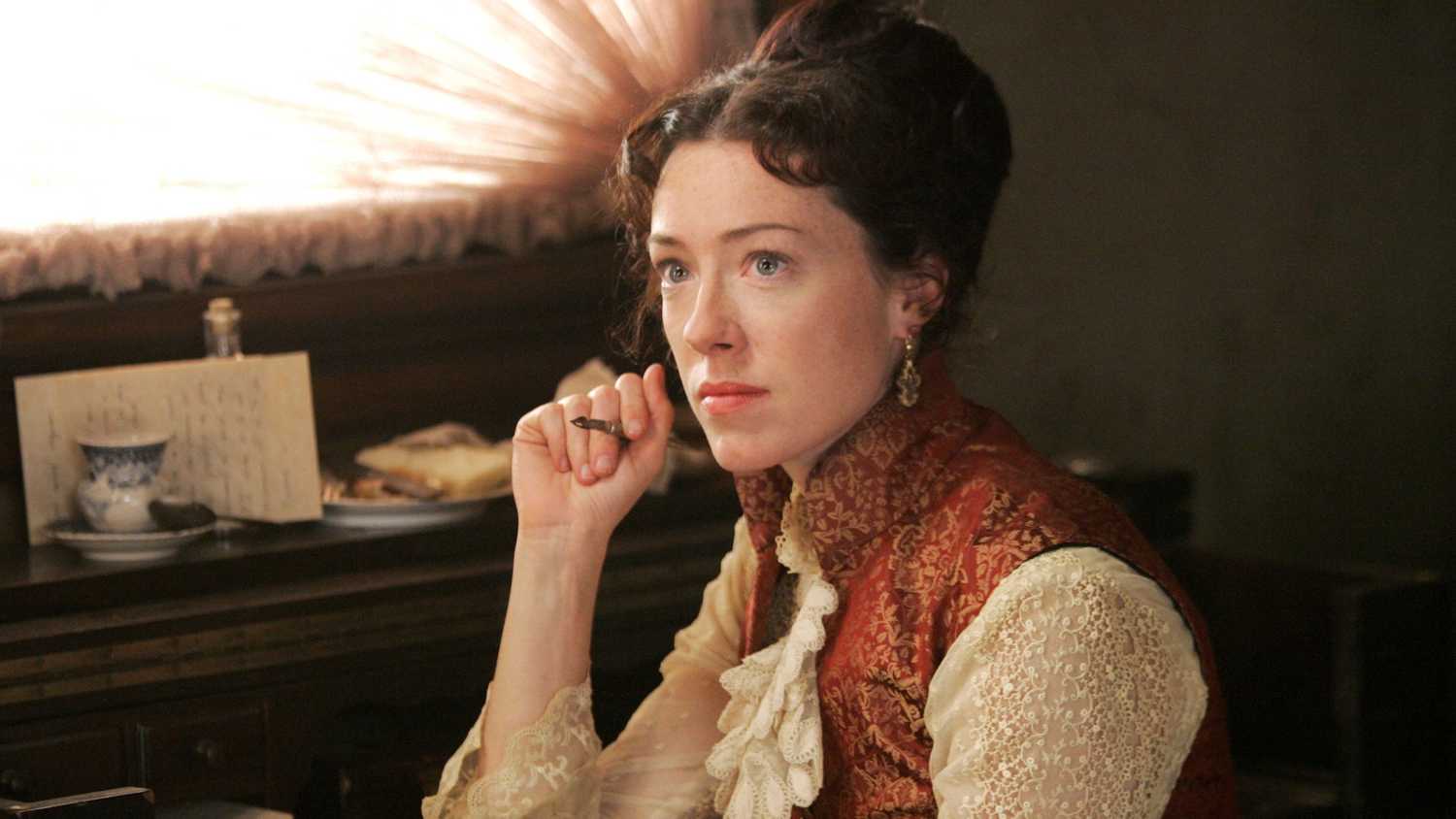
Set in 1876, Deadwood follows a South Dakota gold-mining settlement as it evolves from a chaotic frontier camp into an increasingly organised town.
Rather than building its story around a traditional hero battling villains, the series explores an entire community shaped by greed, ambition and the struggle for power.
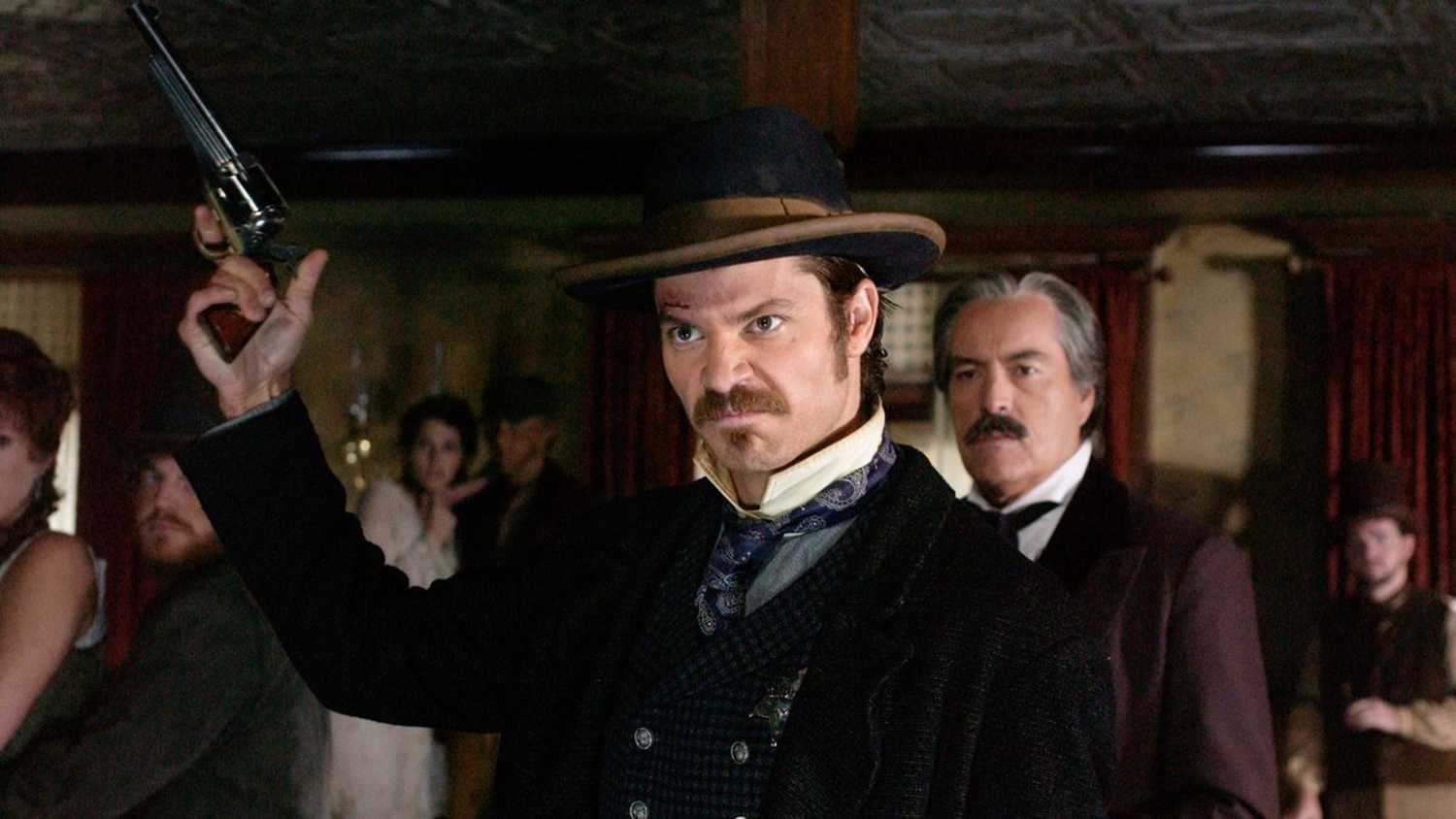
Timothy Olyphant stars as Seth Bullock, a principled lawman navigating the town’s dangerous political landscape, while Keith Carradine portrays legendary gunfighter Wild Bill Hickok.
Ian McShane delivers one of the show’s defining performances as Al Swearengen, the calculating owner of a notorious saloon and brothel. His ruthless business dealings and complicated loyalties make him a fascinating antihero.
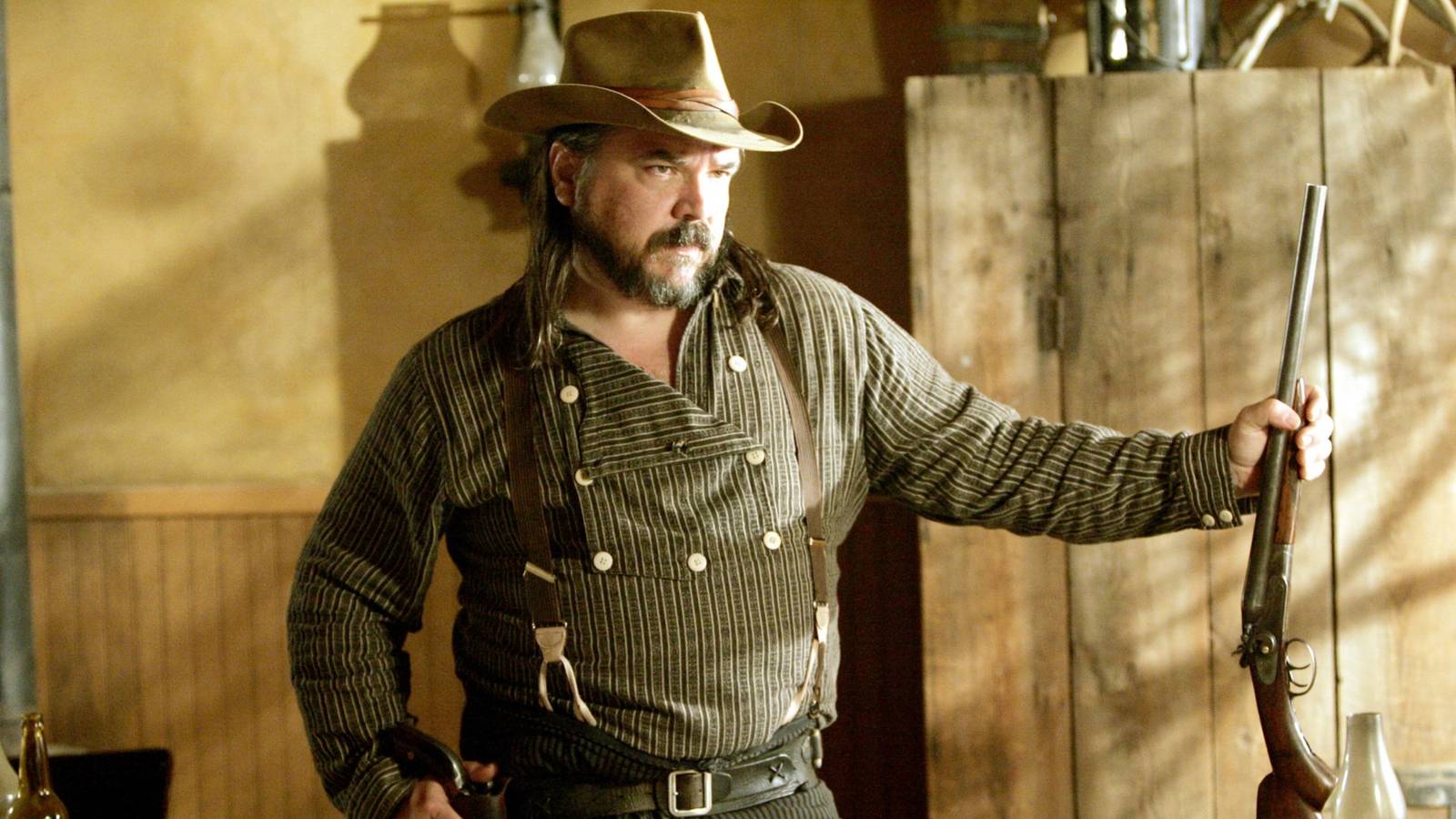
Gerald McRaney adds another formidable presence as George Hearst, a wealthy mining magnate whose ambitions threaten the town’s fragile stability.
Even supporting characters receive substantial development, giving Deadwood a richness rarely found in conventional Westerns.
David Milch’s Writing Sets Deadwood Apart
The greatest distinction between Deadwood and Yellowstone is their approach to dialogue.
Sheridan’s series thrives on dramatic confrontations, family betrayals and high-stakes conflicts. Kevin Costner’s commanding performance as John Dutton anchors the story, but some of its bigger twists occasionally feel closer to soap opera drama than gritty Western storytelling.
Deadwood takes a different approach.
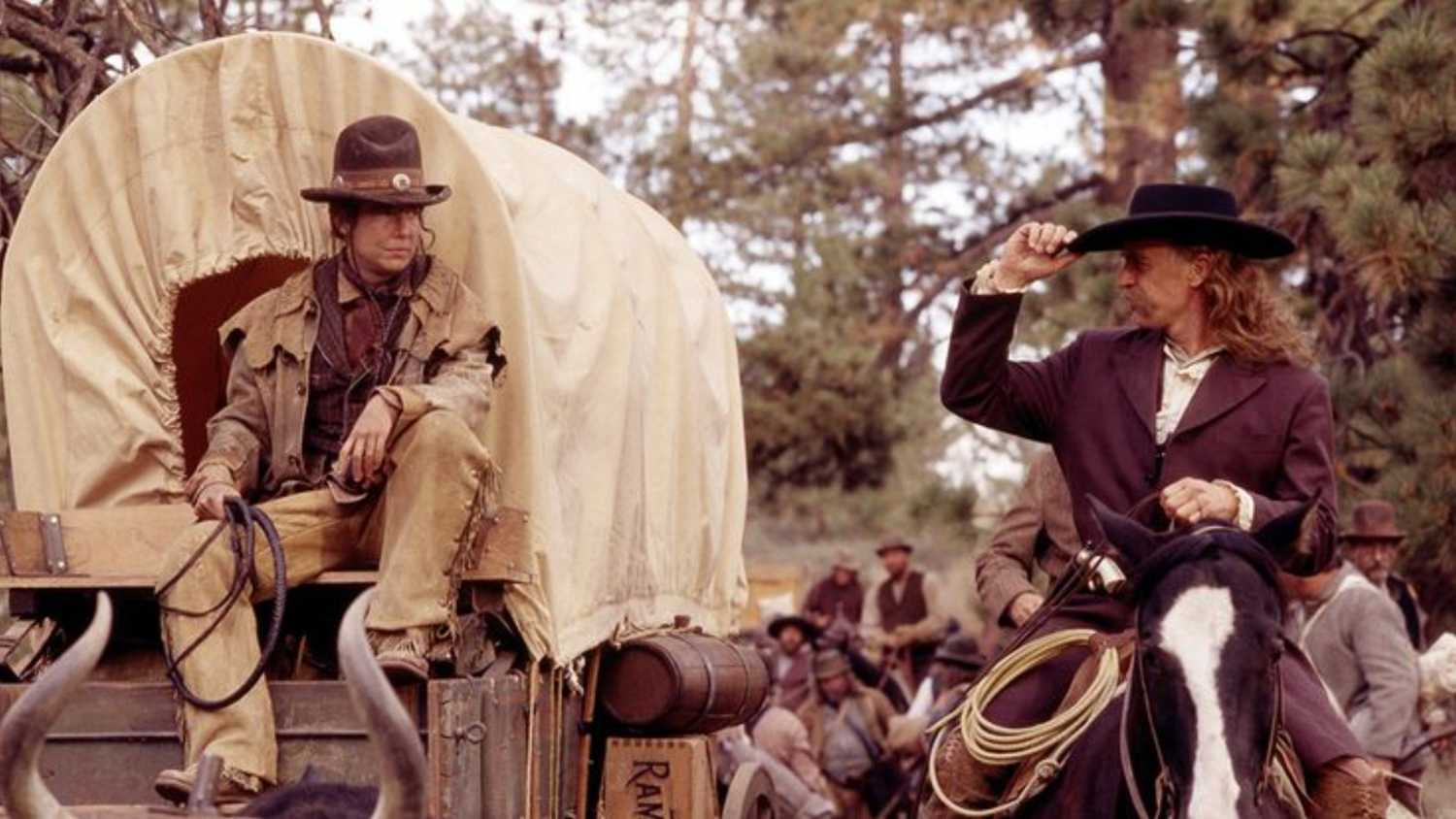
Milch, whose previous work includes NYPD Blue, created a distinctive style of dialogue that blends elaborate language, profanity, dark humour and unexpected philosophical insight.
Characters can deliver threats and insults with almost poetic precision, turning ordinary conversations into scenes filled with tension and meaning.
McShane’s Al Swearengen embodies this perfectly. Whether negotiating with rivals or manipulating those around him, his words often carry as much force as any violent confrontation.
Although the dialogue sometimes uses language that is not strictly accurate to the period, its rhythm and complexity give the series an unmistakable identity.
Why Deadwood Has the Edge Over Yellowstone
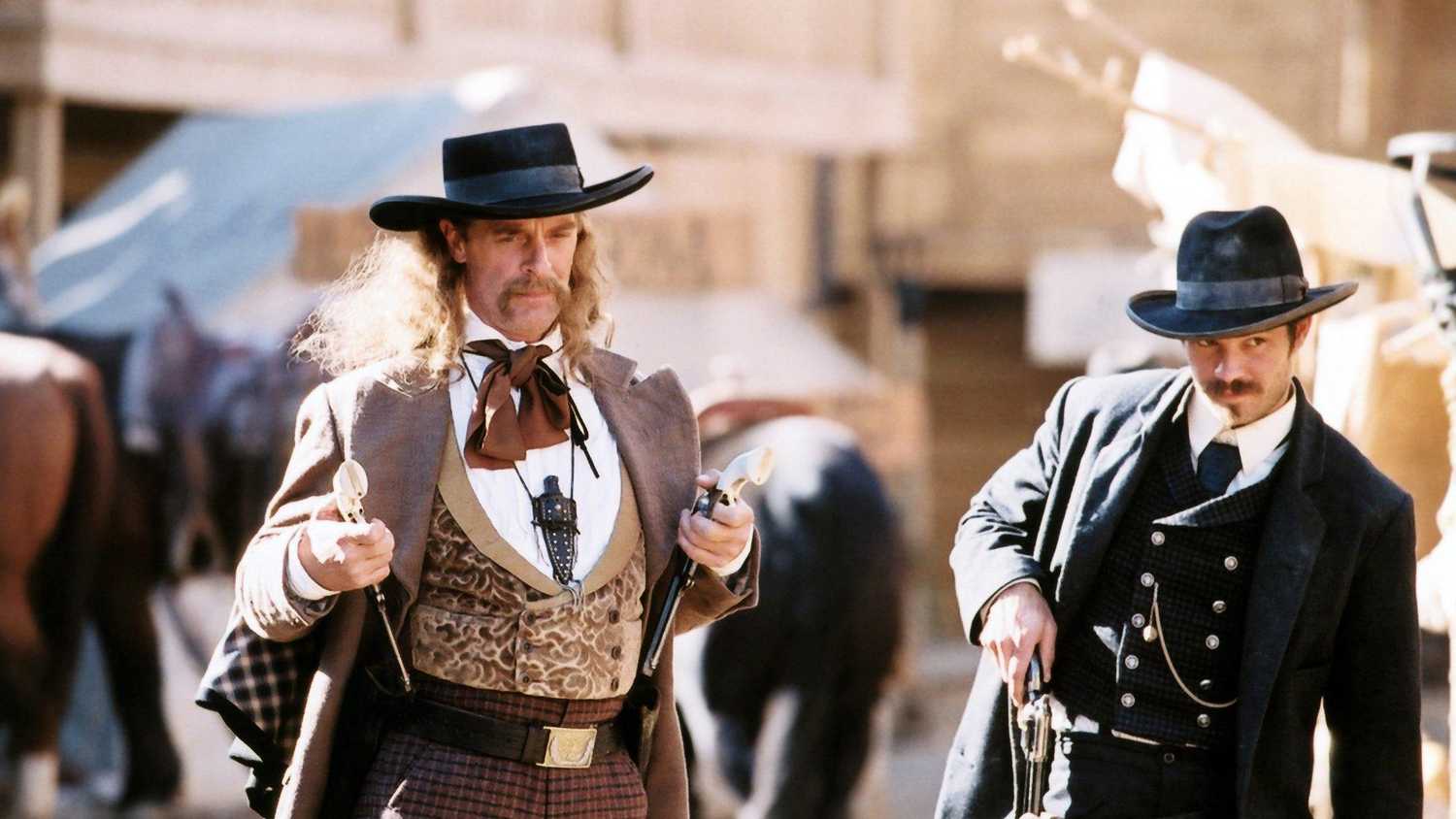
Both dramas explore similar themes, including land ownership, political influence and powerful individuals willing to compromise their principles.
Yellowstone delivers these conflicts through sweeping Montana landscapes, impressive production values and relentless family drama. Its third season demonstrates Sheridan’s ability to create compelling television.
However, the series sometimes prioritises dramatic spectacle over subtle character development.
Deadwood finds its strength in the gradual transformation of its characters and their community.
Its conflicts extend beyond personal rivalries, examining how laws, institutions and social hierarchies emerge in a place where survival once depended almost entirely on individual power.
Rather than relying on constant revelations, the HBO drama allows its characters and relationships to generate tension naturally.
That depth gives Deadwood a lasting appeal that extends well beyond its historical setting.
Three Seasons and a Movie Cement Deadwood’s Legacy
Deadwood originally ran for three seasons before ending without a fully resolved conclusion.
In 2019, 13 years after the series ended, HBO released Deadwood: The Movie, bringing back much of the original cast and providing a long-awaited finale.
Together, the series and film offer a compelling portrait of the American frontier, supported by exceptional performances and consistently ambitious writing.
For viewers who appreciate Yellowstone‘s morally grey characters, dangerous alliances and battles over power, Deadwood delivers those same elements with a distinctive historical perspective.
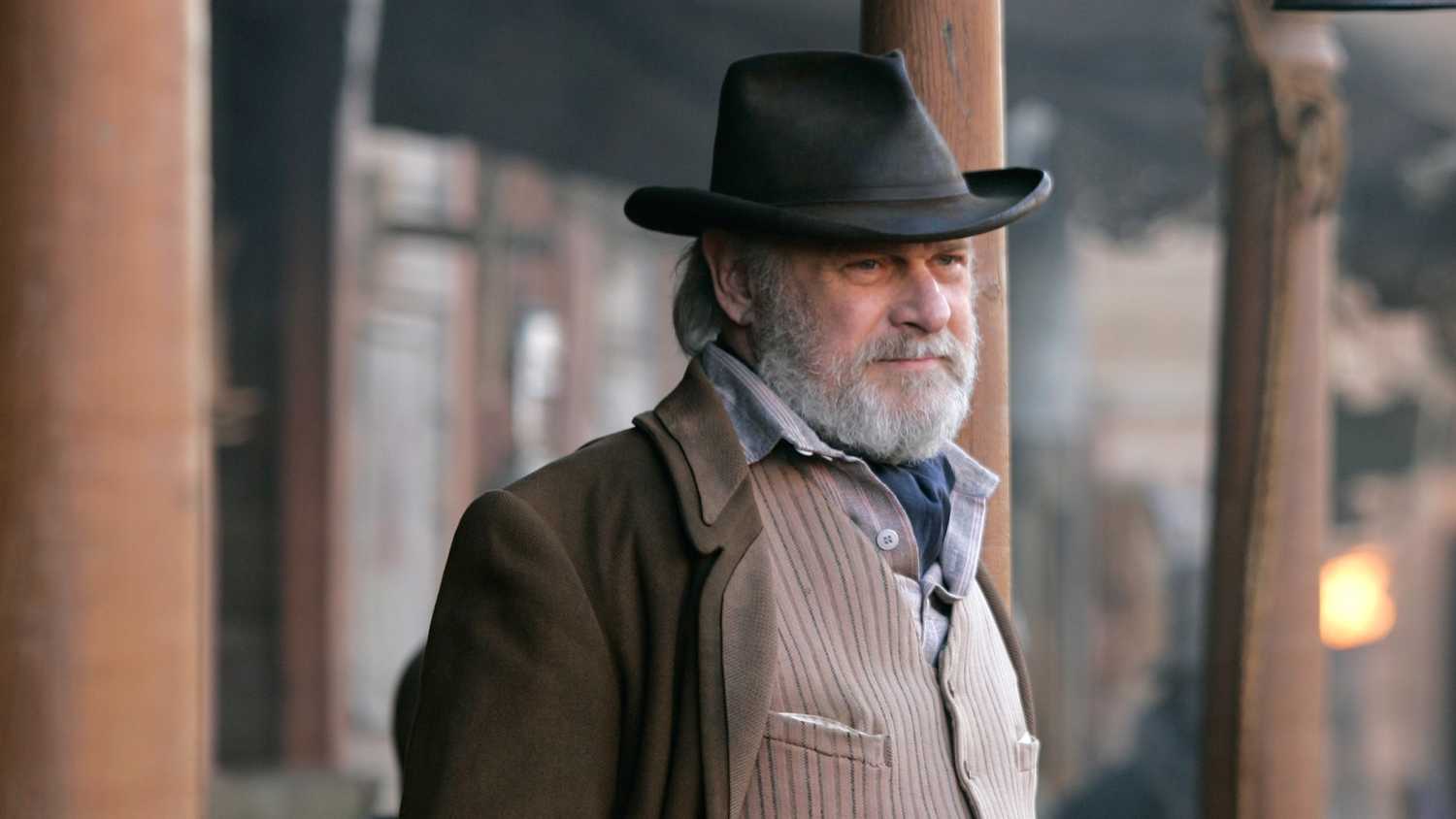
Sheridan has undoubtedly helped revive mainstream interest in Western television, but David Milch’s creation remains a benchmark for the genre.
More than two decades later, Deadwood still demonstrates how powerful a Western can be when unforgettable characters and exceptional writing take centre stage.