High-Speed Tragedy in Toledo: At Least 68 Dead in Spain’s Deadliest Rail Disaster Since 2013
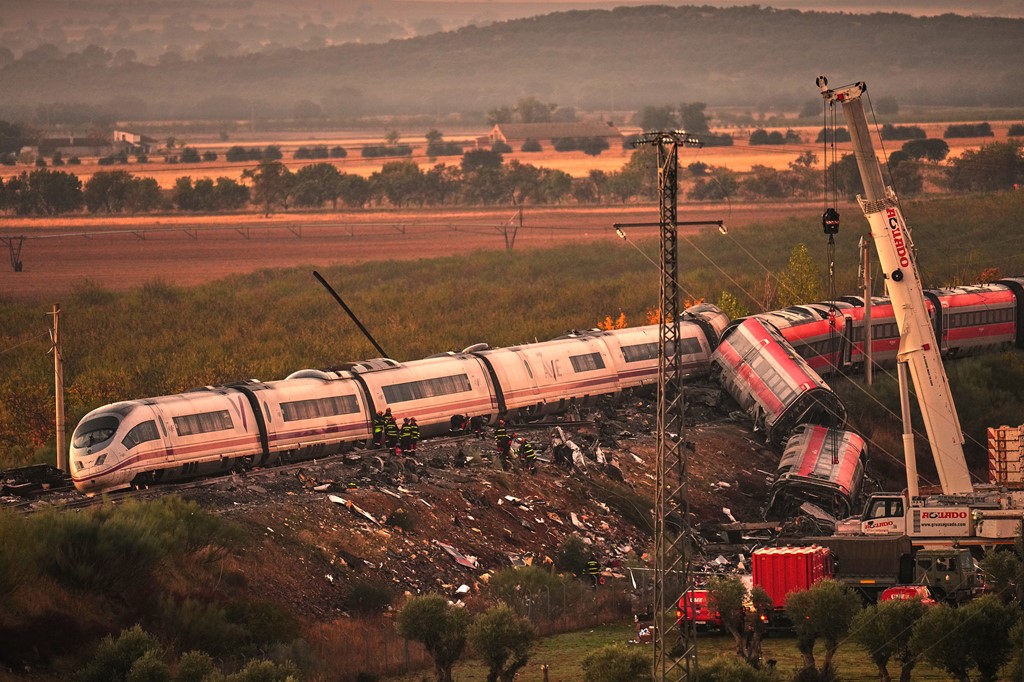
At least 68 people have died and more than 80 were injured—15 critically—after two high-speed trains collided south of Madrid on Wednesday morning, October 28. The crash marks Spain’s second fatal high-speed rail disaster of the year and stands as Europe’s deadliest train collision since the 2013 Santiago de Compostela derailment.
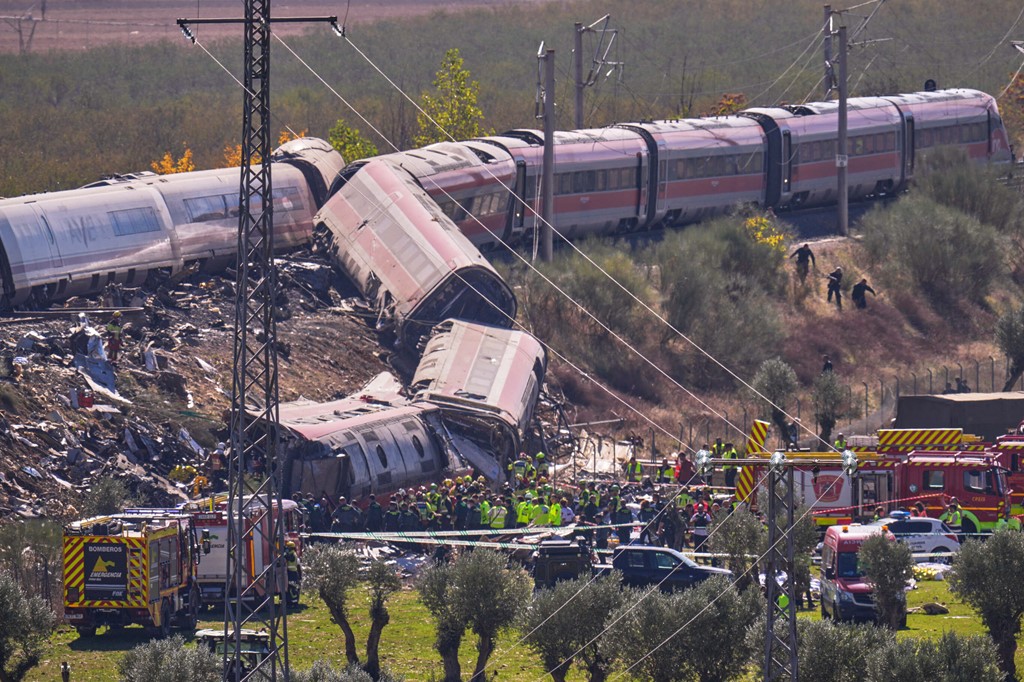
The accident occurred around 9:00 AM between the municipalities of Mora and Orgaz in Toledo province (Castilla-La Mancha). A Renfe AVE service carrying 397 passengers rear-ended a stationary train operated by private competitor Iryo, which was carrying 147 passengers. The impact threw carriages down a trackside embankment, leaving several cars mangled and prompting a massive emergency rescue operation across road, rail, and air.
The Incident: Breakdown of Events
-
The Setup: The Iryo service had come to an unscheduled halt along the high-speed corridor following a computer communications failure that automatically tripped an active red signal, halting rail traffic.
-
The Manual Override: Transport Minister Óscar Puente confirmed that despite the active red safety signal indicating a stationary obstacle ahead, human operators issued manual clearance authorizing the following Renfe train to restart its journey.
-
The Collision: Operating under the assumption that the track ahead was clear, the Renfe train proceeded and slammed into the rear of the stationary Iryo train at speed. Multiple carriages derailed, plunging down an embankment and trapping passengers beneath twisted metal and buckled seats.
Casualty Figures and Emergency Response
| Metric | Official Count / Details |
| Confirmed Fatalities | At least 68 dead (search operations ongoing through wrecked carriages) |
| Injured | 80+ injured, with 15 in critical or very serious condition (Health Minister Mónica García) |
| Passengers on Board | 544 total (397 aboard the Renfe service, 147 aboard the Iryo service) |
| Location | Elevated embankment between Mora and Orgaz, Toledo province (Castilla-La Mancha) |
| Family Assistance Hub | Urda, Toledo (temporary reception and identification center) |
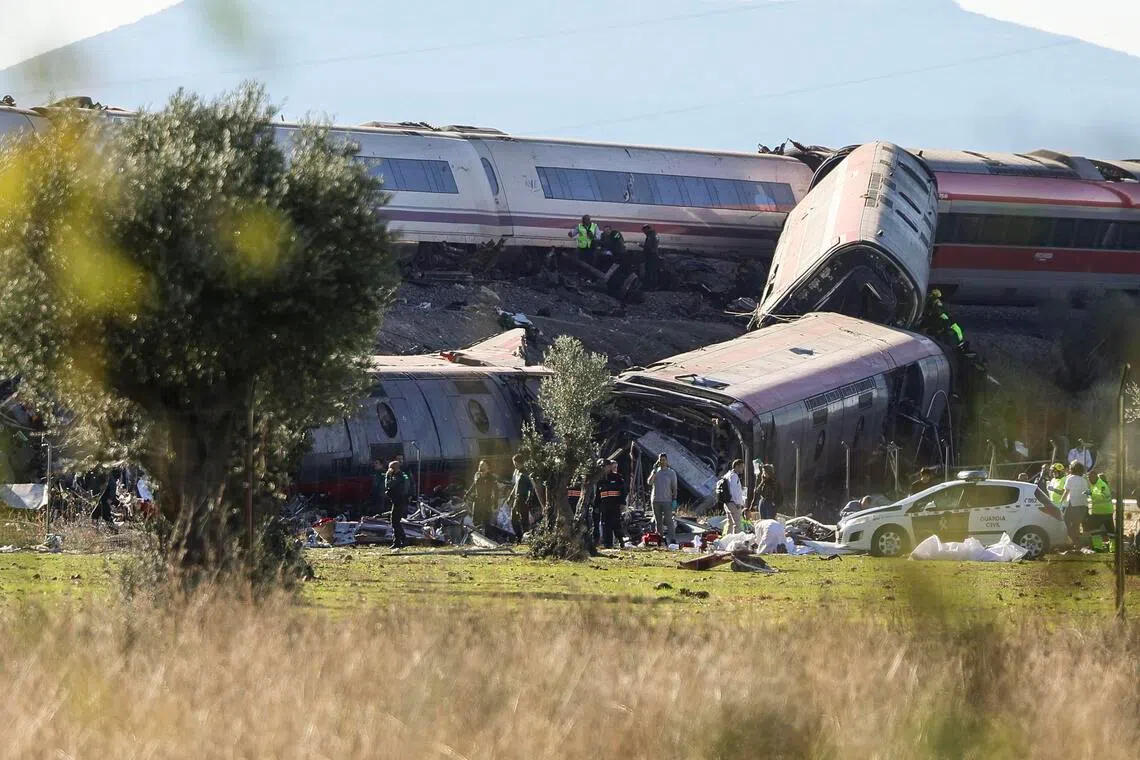
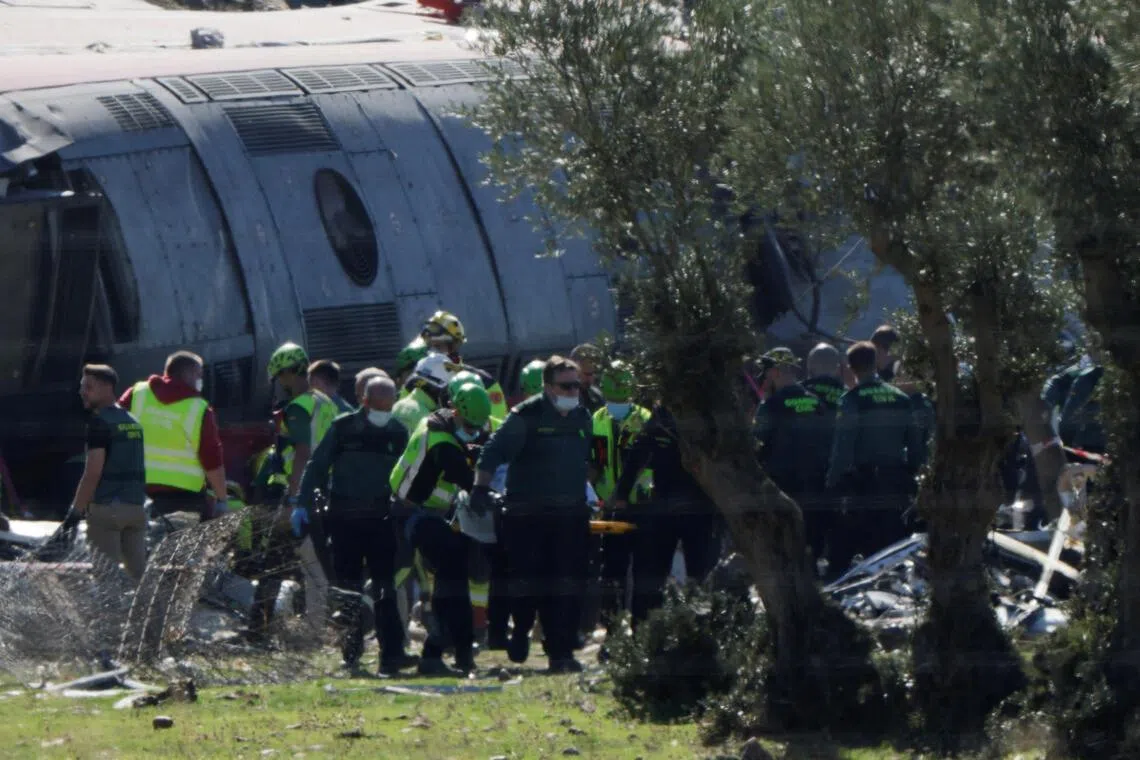
Emergency teams, regional paramedics, Civil Guard units, and military helicopters converged on the scene, establishing a triage perimeter and transferring severely injured passengers to regional trauma units. Renfe has activated dedicated emergency support lines for relatives.
Political Fallout & Systemic Safety Scrutiny
The disaster arrives against a backdrop of heightened political tension and mounting scrutiny over Spain’s rail infrastructure:
-
Government Response: Prime Minister Pedro Sánchez addressed the nation from near the disaster site, declaring that “all of Spain” is in mourning while vowing a transparent, exhaustive investigation into the signaling failure:“If we need to further strengthen safety in order to rebuild confidence in our high-speed rail system, we will do so, because what is unacceptable for a country like Spain is to suffer two high-speed rail accidents in the same year.”
-
Campaign Halt: The conservative opposition People’s Party (PP) announced the immediate suspension of all electoral campaign events ahead of the November national vote.
-
The January Precedent: The Toledo disaster follows a fatal January crash along the same corridor near Adamuz (Córdoba province), where a derailment into an oncoming train killed 46 people. While official statements indicate the immediate causes differ, the back-to-back disasters have ignited sharp parliamentary debate over network resilience.
Infrastructure Debate: Construction vs. Maintenance
The collision has brought long-standing questions regarding Spanish rail investment into sharp relief:
-
Skinned Maintenance Budgets: While Spain invested roughly €1.5 billion annually between 2018 and 2022 across its nearly 4,000-kilometer high-speed network—surpassing most European peers in gross expenditure—European Commission data indicates that only ~16% was allocated to maintenance, upgrades, and track renewal, with the vast majority directed toward new route construction.
-
Rising Incident Rates: According to Spain’s railway safety agency, reported railway incidents (including minor derailments and track anomalies) climbed from 45 in 2016 to 57 in 2024, reaching 69 in 2025.
-
Passenger Shifts: Ridership across Spain’s high-speed lines declined by approximately 14% year-over-year in the first half of 2026, as travelers and industry observers raised concerns over network reliability amid multi-operator competition.