Meghan Markle’s Junior MasterChef Deal Reignites Royal Debate — The Late Queen’s Decision And Princess Kate’s Very Different Approach Return To The Spotlight

Meghan Markle’s latest television move has reignited debate about her relationship with the Royal Family, with one royal commentator arguing that it highlights exactly why the late Queen Elizabeth II rejected the Sussexes’ proposed half-in, half-out arrangement.
The Duchess of Sussex has reportedly signed up to co-host Australia’s Junior MasterChef, a move that places her back in the world of mainstream entertainment. While the opportunity marks another step in Meghan’s independent media career, it has also raised questions about the balance between royal identity, commercial projects and public service.
In a strongly worded opinion piece, royal commentator Emily Wright argues that Meghan’s latest venture demonstrates the Sussexes’ continued focus on celebrity visibility and commercial opportunities. She contrasts this with the expectations traditionally associated with royal duties, suggesting that the two approaches are difficult to reconcile.
The Late Queen’s Decision Returns To The Spotlight
The debate has brought renewed attention to the 2020 Sandringham summit, when Queen Elizabeth II rejected Harry and Meghan’s proposal to combine some royal responsibilities with independent commercial activities.
The arrangement, often described as a half-in, half-out model, would have allowed the couple to step back from senior royal duties while retaining certain connections to the monarchy.
Wright argues that the Queen’s decision reflected the importance of consistency, neutrality and commitment within the institution. In her view, Meghan’s latest television project illustrates the tensions that could arise if commercial entertainment and official royal status were combined.
However, Meghan and Harry have continued to pursue their own professional and charitable projects since stepping away from their senior royal roles.
Princess Kate Offers A Different Example Of Royal Work
The article also draws a comparison with Catherine, the Princess of Wales, highlighting her annual Together at Christmas carol service at Westminster Abbey.
The event has become one of Catherine’s signature initiatives. She helps shape the programme, selects musical performers and brings personal touches to the occasion, including her own piano performances and the involvement of her family.
Around 1,600 guests attend the service, including community volunteers, carers, frontline workers and individuals recognised through royal patronages and local organisations.
Unlike a commercial television production, the event is presented as an official royal engagement, celebrating people who have made meaningful contributions to their communities.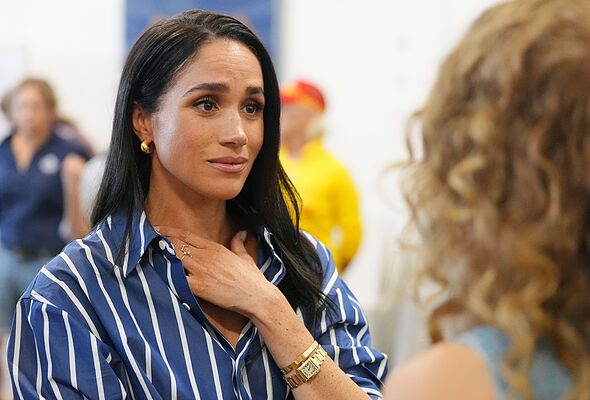
Wright argues that Catherine’s approach demonstrates how a royal can develop a personal initiative while remaining closely connected to the institution’s public responsibilities.
Two Very Different Paths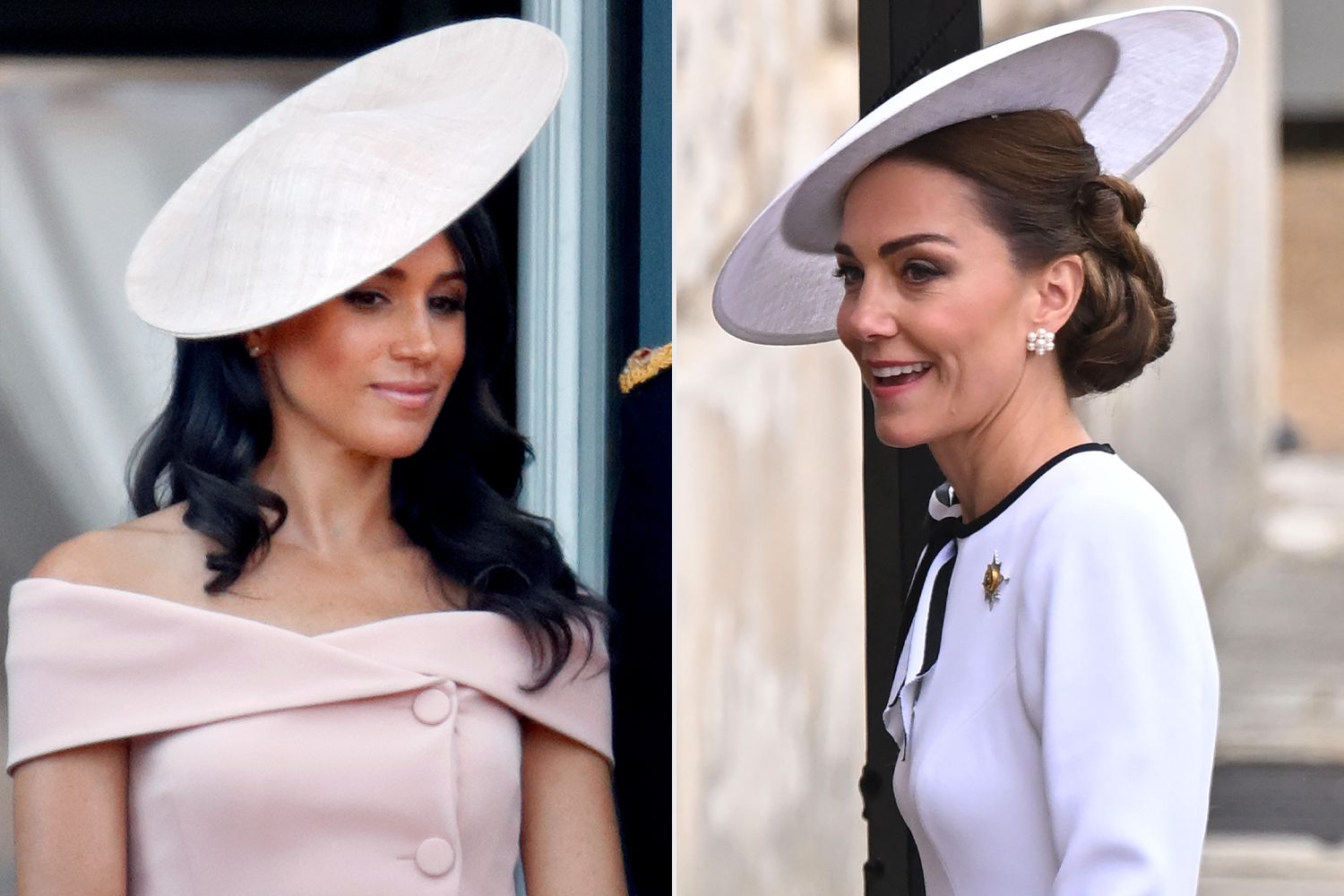
Ultimately, Meghan’s reported television role and Catherine’s Christmas service represent two different approaches to public life. One is rooted in independent entertainment and commercial media, while the other operates within the framework of official royal duties.
The comparison has reopened a familiar question about the Sussexes’ departure: could their original proposal ever have worked alongside the monarchy’s expectations?
For the late Queen, the answer was no. And with Meghan continuing to build her own media career, that historic decision is once again at the centre of royal debate.